Faith, Mentorship, and Medicine: A Doctor’s Journey to Impact
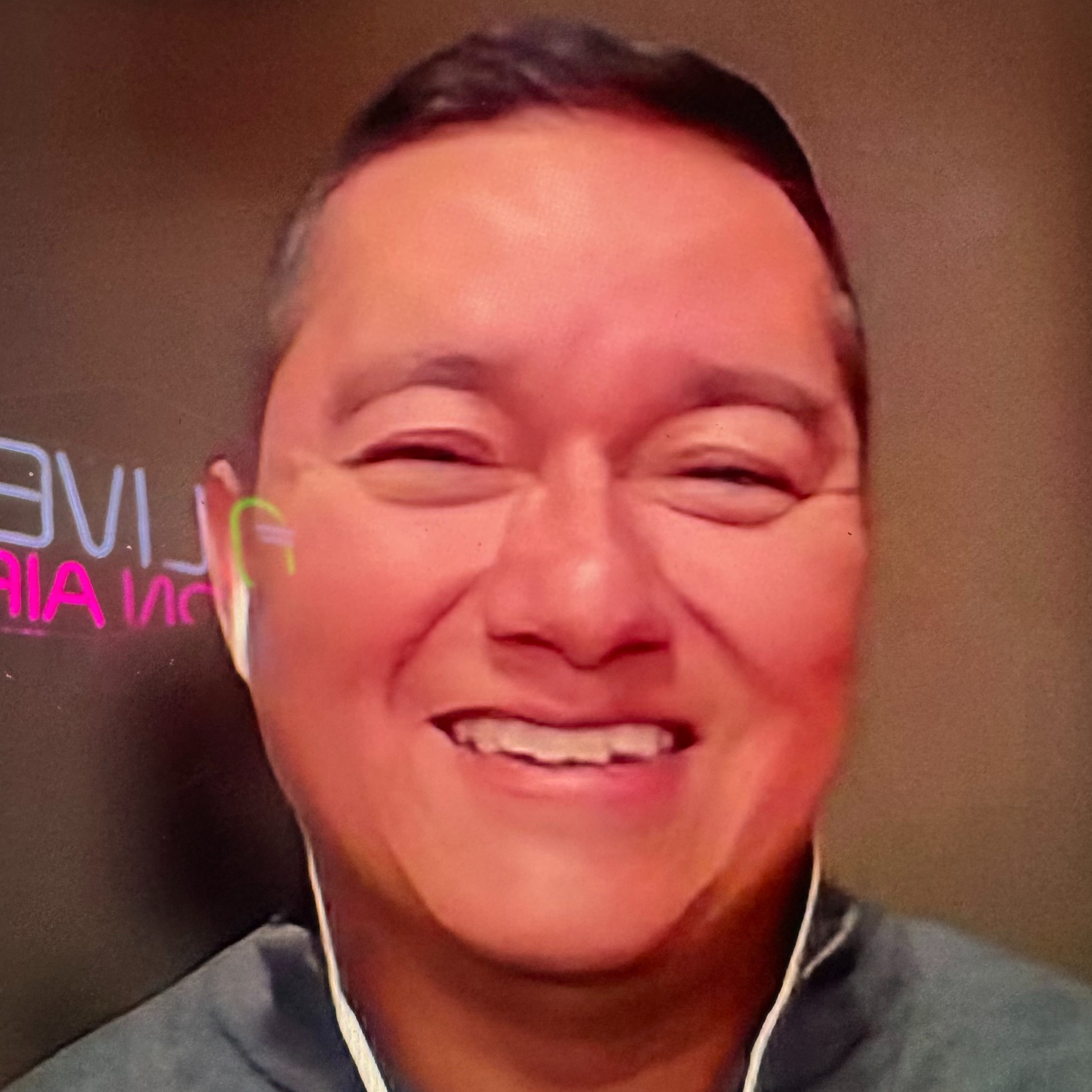
Dive into the personal and professional journey of Dr. Ramirez as he reflects on how faith, mentorship, and purpose shaped his career in medicine and leadership. This episode is a blueprint for young professionals and seasoned leaders striving to make a difference.
0:00 Coming up on this episode of the healthy, wealthy, and wise podcast. You were actually the porn person on COVID, weren't you? Tell us about that. So, uh, you know, what was interesting is I was doing a lot of teaching at that time and then COVID hit and was, had very little clinical, uh, time during that time. Cause I was focusing on my teaching and I just kind of felt like, you know, I felt like God was calling me that I had a special set of skills that I was not using, um, that perhaps could be used. this particular situation. So welcome to the Healthy, Wealthy and Wise podcast with Dr. William T. Choctaw, MD, JD. This podcast will provide you with tools and actionable information you can use to help live a more healthy, wealthy and wise life.
0:47 It's powered by the over 50 years of medical experience of this Yale University Medical School trained surgeon, who is also a Western State Law School trained attorney. With executive experience being a former Former Mayor of Walnut, California, as well as the current chairman of the Nonprofit Servants Arms, and as president of Choctaw Medical Group Incorporated. This is the leadership masterclass edition already in progress. Well, listen, we thank you so much for being, being willing to share, uh, some of your precious time. We know you're a very busy person and got a lot of stuff to do, , uh, and, but we're absolutely delighted to have the opportunity.
1:31 to have you be guests on the Healthy, Wealthy and Wise podcast. Yes. And this podcast is basically based on leadership. And that's sort of a general term. And we sort of put everything in that category. Our guest today is Dr. Esteban Ramirez. Why don't you sort of tell us a little bit about yourself? Well, um, as you mentioned, Esteban Ramirez, I grew up in California, uh, went to undergraduate school at University of California, Riverside. That's where I received my bachelor's in psychobiology with an emphasis in neuroscience. Uh, then I went, I knew that I wanted to, to go to medical school at that point and started applying all throughout the United States and Michigan State University is where I ended up going.
2:16 Uh, was also able to complete my residency there, uh, as well. And went on to Purdue university to get my master's in business administration. Um, I became sport certified in internal medicine as well as obesity medicine. Um, I've had a chance to work as a hospitalist, so inpatient medicine, as well as outpatient internal medicine. I've, uh, was able to help establish a preoperative clinic so that we can improve the throughput, um, for surgeries for our patients in the area. I also teach over at Purdue university and Indiana university school of medicine as an adjunct associate professor of clinical medicine. Um, also I've, uh, had the pleasure of being able to serve as a chief medical officer for Purdue university's, uh, protect Purdue health center.
3:03 Uh, for a couple of years. And then, uh, currently I work as a medical director for Purdue University's health clinics, uh, and, uh, get to see patients as well, uh, part time while I'm doing that. So, um, that's been good to me. He has, let me ask you a quick question. So you went to medical school, your physician. Um, why in the world did you decide to get a master's? Ah, yes. A lot of people ask me that. You know, medical school is very good at teaching you the clinical know how. Yes. You can diagnose very well. You can, you know, learn how to build rapport with your patients. You can learn, uh, you know, all the, the clinical and the social aspects.
3:44 But what's really important that I think, um, most medical schools don't necessarily teach is how do you, uh, run the business of medicine as well. So, uh, and that's the complexity. So, uh, you know, I've always been in leadership positions throughout my, my, you know, my medical training, as well as when I graduated and, uh, served as chair of my medical departments as well. And what I noticed is I was lacking a basic know how of financial analysis. And also, uh, How do I, you know, how do I understand when the administrators come and say, look, this is what we need to try to work on to try to improve our costs or try to improve our throughput for our patients. How do we work on that and make it financially feasible as well?
4:25 And that was something that I wasn't very familiar with. And so I knew that in order to kind of, um, bridge that chasm, that was, that was apparent. Uh, I knew that, uh, uh, something such as a master's, uh, would help me to, and especially in business administration or finance would be very, very important to try to help bridge that gap that I currently had. Well, you're exactly, exactly right. And what I've learned is that some of that has been, if not most of it, intentional. You know, that the people who do run the money, they don't want physicians involved. They don't want clinicians at the table. That's right. You know, they said, no, no, no, no, leave those doctors out of this. Let them, let them go to go make rounds or something.
5:06 Um, and I think part of that is, was, is an insecurity on their part because they're threatened by us. but maybe rightfully so. Um, but, but it's, it's been intentional. It's been intentional. And I think you've come to the conclusion that a number of physicians have is that you gotta know both sides. You know, you, you can't do, you can't provide the quality care that you want to provide without having some control over the finances that help you to do that. Because once you want to do something, I said, well, uh, we'll, we'll, we'll take that on advisement and we'll let you know. And then, you know, six months later, you said, well, what about so and so? It's, oh, we're still working on that.
5:48 That's on the back burner. It's like, oh, that's not good. And the other thing is that by becoming an MBA, you learn how to speak the language. Very, I think, very important to speak the language. Once you speak the language, then they can't ignore you. They say, oh, okay, blah, blah, blah, that sort of thing. Right. Uh, so what, what, um. What lessons have you learned as a CMO that you didn't know or that surprised you? Let me put it that way. You know, um, I, I think it was just really neat to kind of see as I, I became the chief medical officer during the middle of COVID. And so, you know, it was a very stressful time for everyone, a lot of unknowns.
6:32 And so it was really neat to kind of see everyone kind of come together for the same, similar purpose of we need to get through this. We want to keep people safe. Um, and. It was neat to be able to kind of work with, uh, all different types of leaders, not only researchers, hospital administrators, uh, public health officials, um, and also college deans and, you know, professors to try to figure out what is our approach here at Purdue university so that we can make this successful and keep our students and professors as safe as possible. So it was really neat to see that come together. You were actually the point person on COVID, weren't you? I was, yeah. Tell us about that.
7:13 Yeah, so, uh, you know, what was interesting is I was doing a lot of teaching at that time, and then COVID hit, and was, had very little clinical, uh, time during that time, because I was focusing on my teaching. And I just kind of felt like, you know, I felt like God was calling me that I had a special set of skills that I was not using that perhaps could be used in this particular situation. So, um, I knew that we had a clinic where, um, I would be able to possibly help out. So I asked if they had any opportunities there and they immediately said, absolutely. Um, so they. Had me join and within a couple of months, they said, Hey, by any chance, would you be interested in, uh, with your leadership background and, and with everything that's kind of developing, this would be a great opportunity, uh, to have you serve as our, our chief medical officer for this program.
8:02 Uh, and, and I was, uh, you know, I was happy to, to serve in that way. Excellent. Excellent. Well, what, what did you learn that you didn't know when, when you did that? You know how emotional people get under, um, Under a situation where it is, you know, a lot of people don't know what we didn't know at the time, what COVID would look like, uh, you know, what, what, what we heard is there were a lot of deaths. There was a lot of, uh, you know, folks who were sick for a really long time. And that ended up causing a lot of, uh, stress, which, uh, Cause a lot of overreaction, I think, not only on, um, you know, not only the students and professors, but mostly also from, you know, those that love them, you know, so there were reactions, even though it seemed strict at times to do certain things or, uh, that, that, but it was in the end, I think people came around to understand that what we're trying to do is try to keep people safe.
8:57 Um, and how do we allow, uh, also our, our professors and our students and staff to be able to. Also work because everybody needs to be able to get things done, but we need to do it in as safe a manner as possible. So it was really, um, a unique environment to work in. Um, the other thing I had a pleasure of being able to do was work with Mitch Daniels. I was able to, you know, he was our president over at Purdue University. Yes. He, by far, was Uh, the best leader that I've ever had the pleasure of working with and having the opportunity to work with him was, was amazing, uh, to be able to see how he had a clear focus for what he was hoping to accomplish, not only at the university, but through something as difficult and really, uh, difficult to anticipate what that would look like.
9:44 Uh, he always had a vision of where he wanted this to go. Um, so it was a real pleasure to be able to work with him and also the leadership team that he, he developed as well. I think that's excellent. And I think, uh, people like, uh, the university president, how large is Purdue university? Just so people can have an idea. It keeps growing every year. I think the last numbers were somewhere close to 50, 000 now. Yeah. That's huge. Yeah. And it's, and it's growing every year. I think we're breaking new freshman year records. Um, you know, we keep building new living spaces for new students, which is a good problem to have. Yeah. Um, but also, um, you know, and we have some really solid programs there.
10:25 And, and I think a lot of people are attracted to that and also attracted to the Midwest area. Would you say the, the, the president was sort of like a mentor to you? Absolutely. Uh, you know, it, there were, uh, A lot of folks who I think served in that particular role, but I think a lot of us had never played a role similar to what we were doing just because again, here's an unexpected illness, unexpected virus, and literally things were changing day by day. Uh, and trying to keep up with that was very, very difficult, but at the same time, it was again, another opportunity to see how we came together. I had the pleasure of being able to work with other chief medical officers for the local hospital systems.
11:06 So, uh, the two hospital systems here in town, we were, we had meetings frequently and we were able to share, you know, what's going on over here and what are you seeing over there and what worked well, okay, great, let's not, you know, Uh, we'll try to redo that since we know what's working well, what's not working well, and then we'd learn off that as well. And, and so that sort of quick thinking was, was imperative, I think, for us to be able to, uh, develop a program and keep, keep adjusting and keep moving along with those spires that we were just learning new things about at the time. One of the things I've learned, um, exactly what you were saying, that mentorship, whether officially or unofficially is almost invaluable to your growth and you don't plan it, you don't choose it necessarily, but it happens.
11:50 It happens. And, and I going back to your earlier point, I think that's, that's part of God's process. You know, since you know what, you're going down this road, you're going to need some help and I'm going to put so and so and you'll meet him or her down the road. And, and. And they'll, they'll help you, you know, with, with some of the questions and decisions you have to make. Uh, but I, I do believe that there, there's, there's a bigger reason for that, a bigger role for that. Thank you for listening to the Healthy, wealthy and Wise Podcast with Dr. William t Choctaw, MDJD. You can listen again to this in any of the previous episodes. Leave a comment or pose questions to the doctor by going to www.thwwp.com.
12:34 That's www.th wwp.com and you've got it. It's also available wherever you get your podcasts. Be sure to follow like shit. If you haven't already, then tune in for the next episode of the Healthy, Wealthy, and Wise podcast with Dr. William T. Choctaw, MD, JD. A production of Changemakers Communications, LLC.
