The Weight Debate: Ozempic, Lifestyle Choices, and What’s Next in Medicine
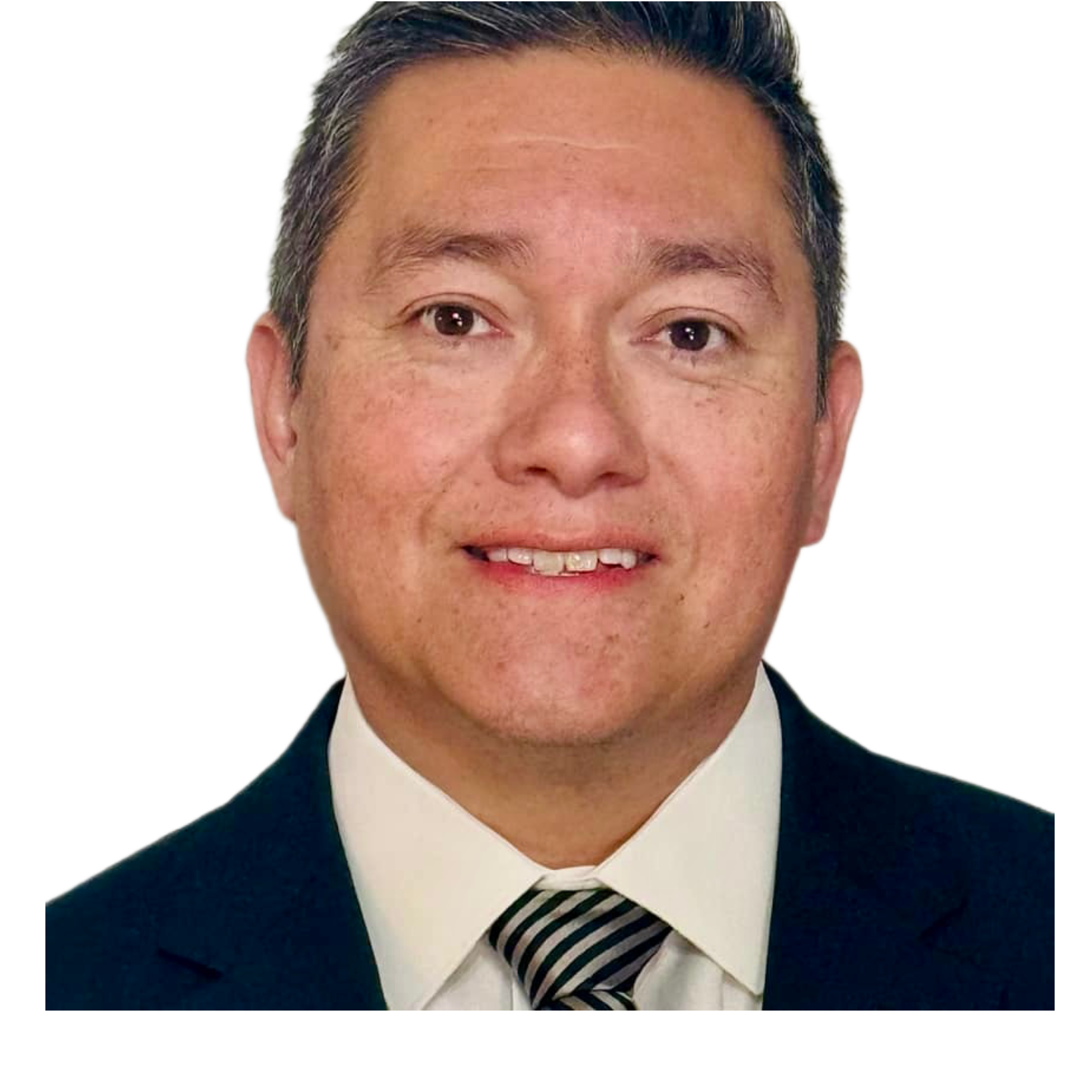
Dive into the cutting-edge world of weight reduction medications like Ozempic with Dr. Esteban Ramirez. Learn how these tools can complement physical activity and nutrition to transform lives. Discover the latest research on their impact on diabetes, heart disease, and even dementia. Plus, find out how to partner with your physician for a balanced approach to sustainable health.
0:00 Coming up on this episode of the healthy, wealthy, and wise podcast. You did mention something about, um, some affiliation with the weight reduction or something. Oh, BCD medicine. Yes, absolutely. What are your thoughts on, um, you know, Ozempic and, and all of the other weight reduction drugs? Sure. I think they're welcome to the healthy, wealthy, and wise podcast with Dr. William T. Choctaw, MD, JD. This podcast will provide you with tools and actionable information. You can use to help live a more healthy, wealthy, and wise life. It's powered by the over 50 years of medical experience of this Yale university medical school trained surgeon, who is also a Western state law school trained attorney with executive experience being a former mayor of Walnut, California, as well as the current chairman of the nonprofit servants arms and as president of Chaka medical group, Yale incorporated.
1:03 This is the leadership masterclass edition already in progress. I noticed you mentioned, um, um, how, um, uh, God has influenced some of the things that you've done with, and that sort of thing. Tell me about your, your spiritual walk and, and how that is a part of, um, uh, what, what you do. Oh, uh, it's a very big part of my life. You know, I don't think it would have been, Nearly as easy to try to get through COVID and get through the programs that we were going through without having God in my life. I think he was really, um, he, he was blessed me with health during that time. Uh, he blessed me with, uh, discernment and with wisdom to help, you know, lead, uh, our, our team.
1:48 Um, And so it's critical, you know, I think again of finding a way to ground yourself. And that was 1 of the ways I was able to do that was to be able to remember that I know I'm a child of God and I get to talk to him and make requests of him and ask him to watch over our family, friends or university or students, faculty, staff. And, and yet know that, you know, his promises in the word are clear, uh, that he will not leave me alone. Uh, and he will be by my side at all times. And so that's very reassuring during difficult times. Absolutely. Absolutely. And I think, um, it is that spiritual strength that a lot of times we may take for granted or we may not tend to as much as we should, um, either because, well, you know, I'm too tired.
2:37 I don't want to go to church today or whatever, whatever excuse we come up with, but it is just as vital, if not more vital than the nutrition and other things that we talked about. Um, you know, how we, what, what we believe affects how we think, how we think affects how we feel. Uh, we feel affects how we act, right? So it starts with that belief system. Um, and if that belief system is not working, change it, you know, uh, but, but it starts there. Um, and that's why I believe that we're the, the biggest arbitrators of, of what ultimately happens to us. And we're in control of that. We can blame other people, but it's really the person in the mirror. Right. It really is the person in the mirror in terms of how we handle it and how we get through it and that sort of thing.
3:21 And many times we won't understand, um, I know certainly I don't understand a lot of things, but I, what I've learned is I don't have to, I don't have to know everything. I don't have to be able to figure it out, you know, or draw designs about how I'm going to do this operation tomorrow. Right. A lot of times I don't have to do that, you know, uh, Uh, but, but, but that, that's sort of the way life is and that's where the good Lord set it up. And, and we're part of a bigger plan, you know, and our goal is to, um, fulfill our role, you know, to walk our path and do our best. Um, and I, I think that that's in my mind, that's where leadership comes in because I think if one is blessed with opportunity and ability to lead, uh, that with that comes a certain duty.
4:10 Yeah. To actually lead, to, to actually help others and, you know, like, like what you're doing with the students getting involved with the, the COVID issues and that sort of thing, all of which were put in your path. You didn't ask for that. Neither did you know it was going to happen, but you were able to rise to the occasion. It would rise to the occasion and, and, and God bless leaders like yourself and that sort of thing. Uh, because those of us who were sort of over that hill, you know, we sort of looked at you guys to sort of take it over and make it better, um, and everything. So, um, what, what, what, what do you see next for you? Uh, well, you know, uh, we continue to expand our services at Purdue university.
4:53 So one of the things that we're doing is working on, uh, telehealth and a text care program. So it allows more 24 seven service to our, um, to our patients. So that way, you know how it is when people feel sick, it's sometimes, you know, one o'clock in the morning, we actually have folks that are on and able to take care of those calls. And so we're developing a 24 seven service. 347 program through, um, the company that I work for. And they, uh, we're really expanding and I think we're getting some really good results. We're expanding also the amount of clinics that we have through the university. So, we now have three clinics that we offer. Purdue has, or the university has multiple different campuses. So, um, And we're starting to build more and more clinics in those areas.
5:37 So I get to help oversee those as well. So I think looking at, uh, also, uh, continuing to build my leadership skills, you know, there's always more to learn to be able to try to continue to stay on top of the latest and greatest, which is a difficult thing to do. It's a moving target, but I think knowing that, you know, You're, you have to know that you're a lifelong learner when you go into medicine and that's exactly, um, you know, where, where I'm at now is just, uh, okay, where, where do I get my next level of, uh, continuing education? Um, and just continue to learn, you know, uh, you know, God, God's in control and he's gonna, he's gonna continue to guide me and, and I'll, I'll follow as diligently as I can and as faithful as I can.
6:19 Excellent. Excellent. Well, listen, I want to thank you for, um, uh, sharing your very valuable time with us. Any, any, any words of wisdom you want to leave us with, um, uh, let me say that you're, you're speaking to, um, over, you know, thousands of people around the world, um, and, um, uh, in any thoughts you want to share. Sure. Uh, you know, I think it's, uh, we talked about, you know, spirituality, religion and our belief system. I think that is key. I think you're, you're a hundred percent right that we need to know, um, where our strength comes from. And I think knowing that through thick and thin through any difficult situations, uh, we need to be able to find our strength in, in, in God.
7:05 Um, and I think that is critical, uh, for our direction and, and that sometimes when things are unknown. Uh, when, when we don't know where we're headed or what's happening or, um, uh, we know that that God's in control and that we can have faith and trust in him. And we don't need to be anxious, just like the good word says. Um, and we need to just have faith and trust, uh, in, in, in what's going to happen is God's will. Yeah. Yeah. I agree. I agree. Jesse, you have any questions for Esteban before we let him go? You're on mute. Not really. Although, uh, you did mention something about, um, doing, uh, having some affiliation with the Uh, weight reduction or something.
7:50 Oh, BCD medicine. Yes. Absolutely. Yeah. What are your thoughts on, um, you know, Ozempic and, and all of the other weight reduction drugs? Sure. I think they're, they're actually a really good tool to use right now. I think it's another great, most of these medications came about from, um, diabetes medication control, right? Getting the sugars down, getting our A1C down. And what we're finding is with more and more. Research not only does it lower your sugars and keep you healthy, it helps to minimize heart attacks. It seems to minimize, uh, damaged with the kidneys. That's usually associated with diabetes seems to lower risk for heart attacks. And now, just recently, dementia that we're seeing some suggestion that it seems to lessen the risk for dementia.
8:32 So I think these are really good medications. Are they the, you know, the The silver bullet? No. Um, I think we, you know, we, we're going to have more and more medicines that come down that are going to be even better. But I think this is a really good tool to utilize in the right patient. Not everyone should be on it. Uh, that's why they have, um, you know, certain guidelines for who should get it and who should not get it. But I think, at least in my experience, I've been able to use them with our patients and seeing some amazing results. And what I like to do is get people off medicines. And this is one of those medications that Maybe you're still in that ozempic, but guess what? You're off your blood pressure pills, you're off your cholesterol pills, you're off all these other pills because you've been able to control things. You know, a lot of pathology, a lot of disease comes from many times, um, being overweight sometimes or not, not being physically active, uh, or not having good nutrition.
9:24 And so, So by working on those three things, and it shouldn't be just the medicine, it should be the medicine and the physical activity and the eating well, because that's what makes it all complete. The medicine by itself, it does some, but it's not going to be able to do as amazing as if you do all those things put together, because someday we'll like to get you off of that medicine. Right. And so we need to have some good habits in place at that time. Uh, but I think it's, you know, it's a really good medicine to use right now. But like I said, it's not for everyone. So there are some reasons not to give that medication. And, and, you know, uh, physicians are well known or are well aware of what those are. And if you're the right candidate, they'll recommend it. If you're not the right candidate, just trust that there are some things, um, that, that, you know, it's not recommended to continue.
10:08 One of the, one of the reasons, one of the things that I'm mentioning is, um, uh, medullary thyroid cancer. That's one of the things that if you have any history of thyroid cancer, you're not a good candidate for that particular medication, uh, in particular medullary thyroid cancer. So those are the sort of things that just need to be aware. Um, but for most, I would say easily 98 percent of the patients that I've, um, that have either requested it or I offered it to them. They're a great candidate for that. And I've seen some really good results on the MBA side of that. These drugs are costly work behind trying to get the reduce the cost. Absolutely. You know, that's, uh, you know, there's a, there's a whole process behind getting a medication approved.
10:49 And so the pharmaceutical companies, of course, put a, um, and, and I know that, uh, Dr. Choctaw knows the correct term for it, but you have like a patent or something that would. You know, keep the price at a certain level. But from my standpoint, I don't worry about that stuff. I try to get it as coverable for the patients best we can. Thankfully, we do have some, you know, pharmacy prescription cards that can help lower the cost. We do have a lot of employers that are looking to try to bargain with the pharmaceutical companies to help get the costs down as well. And then, of course, one can always choose to use the HSA cards to try to use some of the costs or to offset some of that cost. I think. What we're going to see is because all this research is coming in showing that there's so much benefit to it, not just with those who have diabetes, but those who have, um, um, other issues like severe osteoarthritis, uh, like I mentioned, uh, dementia or things like that.
11:43 I think more insurances are going to cover it. I think you're going to see probably Medicare eventually, hopefully, uh, will come on board and say, you know what, I think this is, this is going to lessen the risk for someday having an open heart surgery or lessen the risk for a stroke, uh, or, or if I can prevent dementia, that would be a great way to do that. Yes. Um, so I think those sort of studies, once we start getting more and more of this, uh, you know, research data back, I think we'll start seeing that, that insurances will start coming on board saying, wait, there might be some, some benefit to this outside of what we thought. Um, and they might, I think I'm, I'm hopeful that they'll approve it. That's great information and I think a lot of people will get hope from what information that you've just shared.
12:24 Thank you. Absolutely. Uh, any, any other questions Esteban? Uh, No, just thank you for having me. You know, I really appreciate the chance to, to see you guys and, and, uh, talk to you guys about some of the current issues that are going on and, and just having a chance to tell you a little bit about myself. I really appreciate that. Well, you are absolutely, uh, welcome and, and you're always welcome to come back. You can look at this as your forum. Oh, and if there's an issue that you, you, you just want to talk about, you can do that. Uh, but, uh, you've done a lot to expand our knowledge and our skillset and. Information that we can sort of share with the public. Um, and so with that, have a blessed day.
13:06 Thank you. You too. And, and give a hug to the family for me. Will do. , likewise. Please stay out everyone. Alright, take care . Bye-Bye. Thank you. Bye-Bye. Take care. Thank you. Thank you for listening to the Healthy, wealthy and Wise podcast with Dr. William t Choctaw, md JD. You can listen to this and any of the other previous episodes. Leave a comment or pose questions to the doctor. By going to www.th wwp.com. That's www.twp.com, and you've got it. It's also available wherever you get your podcast. Be sure to follow, like, share, and subscribe if you haven't already.
13:50 Then tune in for the next episode of the Healthy, wealthy and Wise Podcast with Dr. William t Choctaw, M-D-J-D-A production of Change Makers Communications, lls. See?
