Law & Medicine: The Intersection of Personal Autonomy and Public Safety with Dr. William T. Choctaw MD, JD, and Esq. Bernie Brown, JD
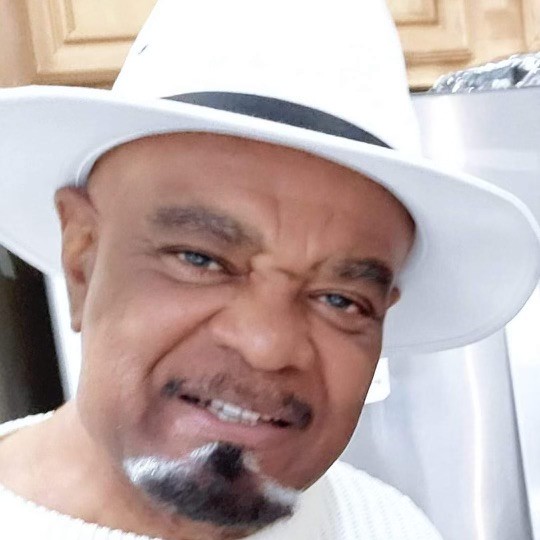
An enlightening conversation about the complex relationship between law and medicine, with a focus on issues like vaccinations, abortion rights, and medical malpractice. Dr. Choctaw and Attorney Brown discuss the balance between individual liberties and the protection of society as a whole, especially as it pertains to the current election season and the candidates.
0:00 Coming up on this episode of the Healthy, Wealthy and Wise podcast. I've got, I've got one more parting question for, this is for both of you. Um, how do you think, uh, the, uh, legal and medical communities can, uh, uh, collaborate, uh, to safeguard democracy? In my opinion, vote. Gotta vote. Yeah. Um, the legal and medical, did you say? Yes, sir. Oh man, that's a stumper. That's a good one. I think he's right. It's just a one point answer, a one word answer. And that's for everybody to go out and vote and make your, your positions known.
0:42 Yeah. And kind of the basis of their question is that. Welcome to the Healthy, Wealthy, and Wise podcast with Dr. William T. Choctaw, MD, JD. This podcast will inform, educate, and motivate you to live a more healthy, wealthy, and wise life. It's powered by the over 50 years of medical experience of this Yale University Medical School trained surgeon, who also received his Juris Doctorate. from Western State Law School. He has executive experience as a former mayor of Walnut, California, as a chairman of the nonprofit Servants Arms, and as president of Choctaw Medical Group, Incorporated. You've got questions or concerns.
1:23 He's got answers for both. So let's listen in on an interview already in progress. Great. All right. Jess, do you have any questions for, um, brother? Um, actually, um, I'm going to try to get through maybe, you know, not necessarily 20 questions, but you know, about 10 questions, but I have a, uh, just a point of information on perspective, I guess, maybe Bernie's perspective. Uh, is due to the fact of his experience in the courtroom and the discovery process. That's true, I've been in the operating room too much.
2:03 That's true, we've operated in different amphitheaters. And also, uh, there was a famous or infamous, uh, politician that, uh, Uh, that got probably a lot of them, but recently got elected based on lies, but the long arm of the law caught up. Oh, yes, yes, yes, yes, they kicked him out. They kicked him out. So it does work on occasion. So one of the questions that I have for you, brother Bernie is, uh, how do you see the current state of the legal system affecting democracy in the United States? Well, I think the system is still strong and I think the system is still vibrant and I think the system is largely, for the most part, still fair.
2:54 Now there are certain issues with regard to the system. Uh, as we see, um, if you can load the courts with judges that have a certain perspective that's consistent with your political opinion, then that can have an effect. I mean, I do believe that Trump effectively loaded the Supreme court, the U S Supreme court. And the result is, you know, with regard to like abortion. And certain other legal issues, a reversal of precedence. Mm-Hmm, . So certainly it can have an effect, but overall I think the institutions, uh, are, are, are strong.
3:36 And I think, uh, even in dealing with, everyday with police officers, with uh, politicians. With governmental officials, with prosecutors, with defense lawyers, everybody from what I can see, they actually have their heart pretty much, mostly everybody, has their heart in the right place. They have a different perspective on how to achieve their ultimate goal. But their heart is pretty much good and clear. So I think the system is still foundationally strong and secure, but it's still subject, in my opinion, to deception and manipulation, which many people believe occur through money and power.
4:28 and influence and media. But, uh, so, yeah. Okay. Doctor, uh, from a historical perspective, what parallels do you see between, uh, current threats to democracy and past, uh, crises? Well, I think to, to, um, um, agree with what, uh, Attorney Brown just said, I think the, the current threats are much greater. Uh, because we have an actor that we've never had before, certainly I've never seen in my lifetime. Um, and what's unique about this particular actor is that he has been able to give weaker leaders permission to do bad things and not Um, and be okay with it.
5:14 Um, and so I, I think that that, that, that makes it more serious, but having said that I, I do believe in democracy and I do believe that those founding fathers back in the 1700s had a good idea. And, um, we just have to do our part. We, we, the people, we, the majority, um, and we have to vote and we have to work hard. Freedom is not free. And we, we all know that, uh, voter suppression and all that's been around, um, way back with the poll taxes in Alabama, Georgia, Mississippi, you know, and closing the polls and all the other shenanigans that people try. If you know what's coming now, maybe you can't stop all of them, but you can stop a lot of them.
5:58 And, um, I think with the right candidate, and I do believe the president candidate is the right candidate, and I think that's something unique and special, uh, about the fact that she is a woman. You know, I, I think, I remember when, when the thing happened to the ex president and they said, Oh, this is, you know, the, he survived and all that sort of stuff. I think that that's the flip side of that. And the flip side was, well, you thought Obama was something. You thought Obama was unique. Guess what I got for you now? You ain't seen nothing yet. And I think that this is part of that prophecy, you know, and there may be others beyond Kamala.
6:44 You know, so sort of like, uh, I think it was Michelle at the convention. She said, well, you know, I guess he just has trouble with successful blah, blah, blah, blah, blah, blah, uh, uh, people who happen to be black. Uh, and then she mentioned about the black job, you know? So my point is that I think that there's a positive message in all of this that I never first saw coming. I, I, and I've been following politics most of my life. Um, I didn't foresee Kamala. Um, but I think, I think she's the real deal. I, you know, and I said, I, I, you know, instead of, instead of going to, uh, Western College, I should have gone up north and made an application to Hastings.
7:34 That's where all, that's where the cream of the crop is coming from. Well, well, keeping, keeping with messaging, uh, This is for both of you. What role do you think, uh, misinformation and disinformation, uh, play in eroding, uh, democratic values? You want to go first? No, I'll let you take that one. Oh, I think it's like, Oh, like 50 percent or more, you know, there's all this false. There's so many false narratives out there. I agree. They just say whatever they want to say and they blame, you know, it's the blame game. Yeah. It's the name calling game.
8:15 It's the, I can do this when, when you can't do it, you know, and it's just, it plays, I think, a significant role. in the whole process, because if you can get people to believe terrible things about your opponent, even though they may be false, then you can, to some degree, you control the narrative and you can produce voting. Votes you can generate votes based on a false pretense And I think the mainstream media is either unwilling or unable to police that or call it out for whatever reason, um, you know, because they Put themselves out to be the guardians of democracy and that sort of thing But I think they failed on that, you know, they they they fall into the whole idea of Ratings and money and all that sort of stuff.
9:12 Um real quick before we let you go I remember there was a guy on MSNBC, Lawrence O'Donnell, he's one of my favorite commentators. He just had an absolute fit about two weeks ago, because the ex president had a news conference at his club in Mar a Lago, and obviously, and the questions they asked were, you know, they was ex softball questions, they didn't ask him anything. Um, and, and at the same time, Kamala had a, had a, had a, uh, an event that the networks didn't even show, didn't even talk about that much. And he thought that was horrible. And he sort of called them out about it. So my point is, I think our media has, has been, um, uh, taken over to some extent by the ratings and all that and, and, and the ex president will get you ratings cause he's going to say something stupid, you know, then people can talk about that for a week, you know?
10:05 Um, and I think that that, that makes your point, Bernie, even stronger, uh, because I think that. a lot of those things have to be corrected. It's not just one thing. It's a number of different things that have to be corrected to keep us safe. I've got, I've got one more parting question for, this is for both of you. Um, how do you think, uh, the, uh, legal and medical communities can collaborate, can, uh, collaborate, uh, to safeguard democracy? In my opinion, vote. Got to vote. Yeah. Um, the legal and medical, did you say? Yes, sir. Oh man, that's a stumper. That's a good one. I think he's right.
10:46 It's just a one point answer, a one word answer. And that's for everybody to go out and vote. And make your, your positions known. Yeah, and kind of the basis of that question is that, uh, there is an intersection between law and medicine as it relates to democratic rights, personal autonomy versus public safety. And so that was kind of the basis of that question. Okay. I think it's certainly one of the things that I learned, um, uh, going to law school is how important all that was. And I didn't appreciate just, just that, you know, in terms of the justice point, I didn't appreciate how much the law was involved with medicine.
11:30 I mean, I knew about malpractice, but that's just. One very, very unique area. Uh, there's so many things that have to do with safety, uh, you know, patient safety. Uh, I think it's a huge part of that in terms of institutional responsibility, physician responsibility, team responsibility, et cetera. Um, and I think that's why we, we need those laws and, and that protect people's rights. You know, physicians have a duty to inform, but patients have a right to refuse, um, but patients can't exercise those rights that they don't know about. know what they are, uh, type thing. So I think, I think there, there, there are a number of connections. We have a long way to go. Um, uh, but I think part of that is getting the right leaders in, in the White House.
12:14 Yes, because one of them, uh, has threatened to withhold, uh, federal funding to schools that, uh, authorize vaccinations, you know, for, I know, I know. Bernie, you were going to make a point. Well, uh, getting to the point that you just made about authorizing vaccinations and getting involved in that, the law can be involved in, uh, protecting society, but generally you want the law to be on the right side. Law is intricately involved in medicine. That's part of the whole issue with regard to abortion rights and medical malpractice and standards.
12:59 And so the law is very, very involved in that whole issue. And with regard to vaccinations, I mean, it was really a wonderful thing when the vaccinations came out. Yes. The law did not. require people to get the vaccination. Nobody said you are forced to do that, which the conspiracy theorists were going to happen. Yes. It didn't happen. So we still have to have personal liberties, but we do have to protect society at large. And so we have to look to both, uh, both positions. That is what is best for society at large.
13:39 And in the case of vaccines, it is actually would have been better if everybody took the vaccine, but it was great to make it available to everybody. But, uh, uh, so the law is always involved and they're always intermingled, but we try To not, uh, through the law, force people to do things that they don't want to do because we live in a free society. Indeed. Well, listen, Brother Brown, we're going to let you go. Thank you so much for, again, your, your precious time and everything.
14:20 Um, yes. Oh, I'm just saying. God bless you both and thank you, . Thank you. Alright, take care. Alright. Thank you for listening to the Healthy, wealthy and Wise Podcast with Dr. William t Choctaw, MDJD. You can listen again to this and any of the previous episodes. Leave a comment or pose questions to the doctor by going to www.twp.com. That's www.thwwp.com. It's also available wherever you get your podcasts. Be sure to follow, like, share, and subscribe if you haven't already. Then tune in for the next episode of the Healthy, Wealthy, and Wise podcast with Dr.
15:04 William T. Choctaw, M. D., J. D. A production of Changemakers Communications, LLC.
