Managing Diabetes: Effective Strategies for Insulin Resistance and Healthy Living
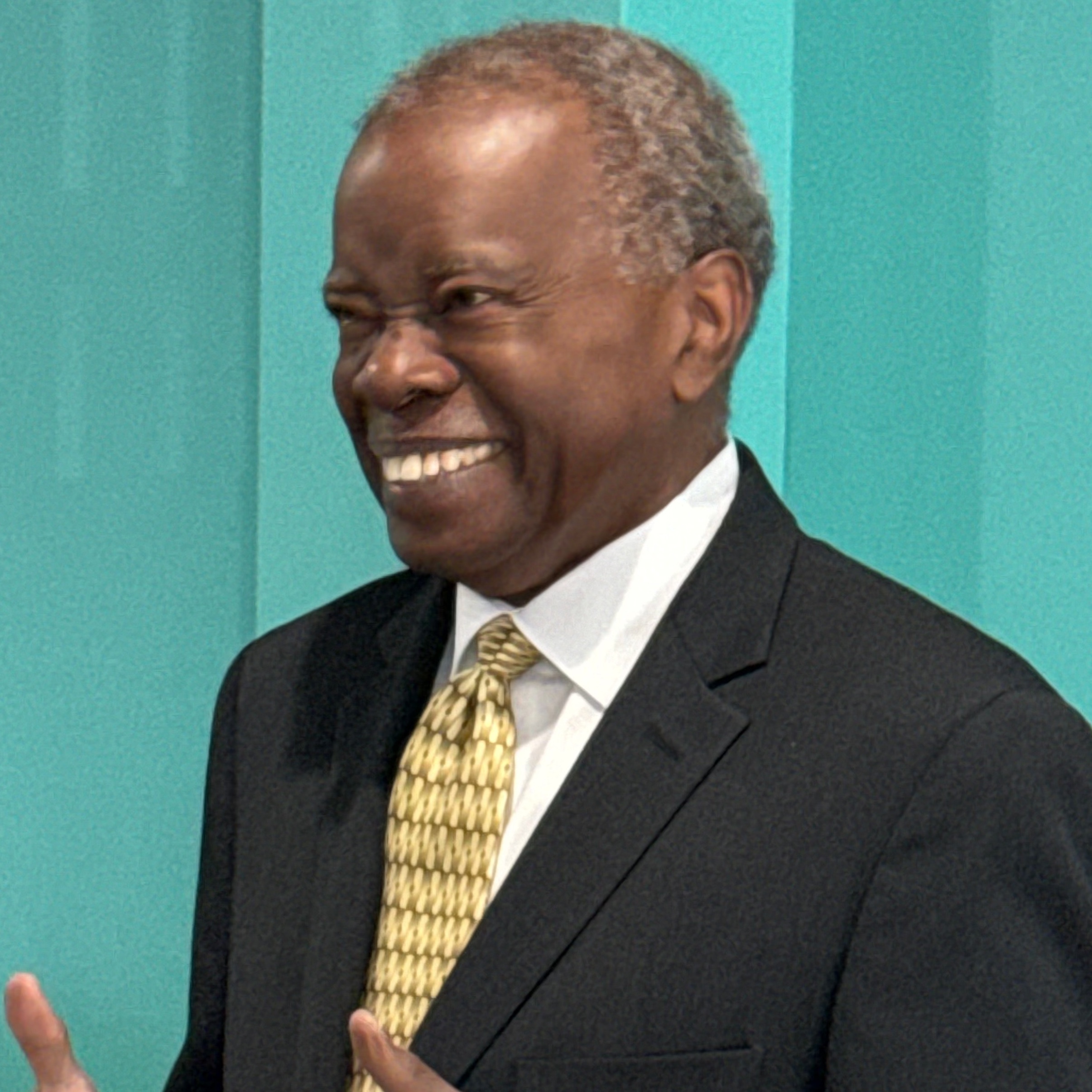
In this episode of the Healthy, Wealthy, and Wise podcast, Dr. William T. Choctaw discusses effective strategies for managing diabetes by tackling insulin resistance. Discover the importance of a healthy diet, the role of glucose in the body, and how...
In this episode of the Healthy, Wealthy, and Wise podcast, Dr. William T. Choctaw discusses effective strategies for managing diabetes by tackling insulin resistance. Discover the importance of a healthy diet, the role of glucose in the body, and how to prevent diabetes complications. Equip yourself with the knowledge to lead a healthier life.
0:00 Coming up on this episode of the Healthy, Wealthy and Wise podcast. Diabetes tends to have a propensity to attack small blood vessels. Um, and that's why many times, so many, um, diabetic patients type two, uh, will have foot problems or extremity problems. Some of the foods that are very good to help with, um, um, mitigating some of that are Welcome to the Healthy, Wealthy and Wise podcast with Dr. William T. Choctaw, MD, JD, where the doctor helps you unlock your full potential by equipping you with the tools and knowledge in the areas of health, wealth, and wisdom, anchored in his experience as a business is executive, a physician, the surveyor for the Joint Commission, a former mayor and over 50 years of experience as a general surgeon.
0:49 You've got questions, he's got answers. So let's get started. Here's Dr. William T. Choctaw, MD, JD. Good morning. This is Dr. William T. Chong Tong. We're delighted to have you with us this morning. Today, we have an extraordinarily broad and an interesting topic for you. We're going to talk about diabetes basics. What you need to know. So, diabetes then is when that insulin does not work properly for whatever reason. Either, um, There is no blood sugar, there is no glucose at a significant level being, um, um, in the bloodstream.
1:32 Um, the insulin is not high enough to get the blood sugar that's in the bloodstream into the cell. Now, and it's not like insulin alone is independent and can do whatever it wants. Strong contributors to diabetes is what we call insulin resistance. Thanks. What is insulin resistance? Insulin resistance is Um, elements within the body that decrease or impede or block or slow down the work that insulin is supposed to do as it grabs glucose in the bloodstream, opens up the cell that it's intended for, and gets that glucose into the cell to do its work.
2:19 We call this insulin resistance. And one of the cells in the body, uh, or the type of cells in the body that are, that can create insulin resistance are obesity cells, right, or fat cells, if you will. Fat cells create, um, insulin resistance. So if you are very obese or, uh, um, have problems with a high BMI. body metabolic index, um, basic metabolic index, um, that adds or contributes to you becoming more diabetic than not. If you are hypertensive, that many times may affect the effectiveness of your insulin.
3:00 If you are elderly. Again, as we talked about earlier, as you get older, maybe things just don't work the way they normally should. That may affect, uh, create some insulin resistance, and then some of it just may be purely genetic. So who actually gets diabetes? Well, most studies have shown, um, that a number of people, uh, it's in the genes. It's genetic. And so you inherit it, um, and you get it no matter what. Okay, um, it's one of the reasons why I believe that there are such higher percentages in certain ethnic groups, that it is genetic. And of course those groups are going to have higher percentage because it is genetic.
3:43 Uh, many times it can be within certain families for other reasons. Um, but, but the point I wanna make is, uh, it is more than lifestyle. It's more than lifestyle. So this whole fallacy, well, if, if you don't have good, um. Uh, body control or having control and you eat too much, um, uh, and you about, and you get, you become diabetic because you don't have good control over your eating habits. That alone is not the reason for, uh, diabetes. What are some of the myths of diabetes? Three common myths. Uh, that diabetes doesn't invite in my family, so I'm safe. Well that's not true.
4:23 Uh, it does not mean that genetics is the only way you get diabetes. It just says that that's one way you get it. So let's say you're able to do a family history search and you have no diabetes in your family whatsoever, that still does not prevent you from becoming a diabetic yourself. Number two. Myth number two. Um, Diabetes is caused by eating too much sugar. Not true. There are multiple factors contributing to diabetes including, um, uh, inheritance, um, and how much sugar alone you eat or not is not the main factor, uh, contributing to your, your diabetes type 2.
5:08 And the third myth is people with diabetes need to be on special diets. Diabetes. Again, not true. Diabetes is not from eating a lot of sugar. Diabetes is from having, among other things, a large number of carbohydrates, um, and glucose in the blood that's not able to get into the cell. And as we've said, there are four or five factors that can be contributing to that, um, and it may have nothing to do with your diet, independently. And the reality is that everybody should have a balanced diet, um, with fruits and vegetables and meats and sugars, et cetera, that everybody should have a healthy diet, whether you're diabetic or not.
5:54 What are some symptoms of diabetes? Well, because glucose is involved with energy of every cell in the body or cell type in the body. Problems or abnormalities of glucose, uh, integration and consumption, um, can occur anywhere in the body, from, um, um, strokes, to, um, blurred vision, to, uh, blindness, to gastric problems, to renal disease, et cetera, et cetera. Um, heart disease is, is common, uh, diabetes is one of the most common causes of amputations in this country.
6:35 Unfortunately, because the small blood vessels are not able to get the appropriate blood and glucose to the areas and the tissues that need it. And those tissues then many times are not able to survive. Um, uh, the kidneys many times, um, have damage and severe, uh, disease, uh, based on diabetes, based on those glucose molecules floating in the bloodstream. Uh, not able to get into the tissues the way they were originally designed to do. Uh, diabetes tends to have a propensity to attack small blood vessels. Um, and that's why many times so many, um, diabetic patients type two, uh, will have foot problems or extremity problems.
7:21 Some of the foods that are very good to help with, um, uh, mitigating some of that are as you might imagine, fruits and vegetables, almonds, oranges, carrots, fish, um, kale, buds, um, Brussels sprouts, um, milk, uh, oysters, broccoli, eggs, et cetera. Again, basic healthy foods that all of us should consume. Some foods, um, are evaluated based on what's called the glycemic index. You may have heard of that. The glycemic index is basically, um, an index that looks at, um, the, um, the ability to Or the impact of an individual food on increasing blood sugar.
8:05 Um, for instance, the glycemic index of a donut would be higher than the glycemic index of a carrot, uh, per se. Um, however, it's important to keep in mind that diabetes is not a simple, um, problem. So when does diabetes occur? When does diabetes mellitus occur? Uh, the majority of the people in this country, when we talk about type 2 diabetes, tend to get diabetes, um, as adults, uh, in the oldest, in the older stages. And that's really why it's called adult onset diabetes, because it tends to occur in adults.
8:49 Now it can occur in children, type 2, but most of the times it occurs in adults. Type 1 diabetes that we won't spend a lot of time on today because it primarily affects approximately 5 percent of the population, occurs at childbirth, okay? So today we're talking about adult onset diabetes, which occurs as adults. One belief is that over time, let's say if you think of something mechanical like a car, uh, if you have a car and you have it for 30 years, in year 30 that car starts to break down significantly. And some believe that that's what happens with the body, that after 50 or 60 or 70 years, um, uh, organs in the body may start to become less competent, if you will.
9:35 And one of those organs may be the pancreas that may either not be able to reduce as much insulin to help with diabetes. Um, energy of production, I mean, with, uh, glucose energy production or, uh, cannot, um, produce, um, insulin that is efficient as it should be. So let's take a look at insulin. What is insulin? And what does it do? And what is its role in this whole diabetes scenario? Well, a good way to think about insulin is that insulin is A key, and let's think of it this way, you eat food, let's say you eat a donut.
10:21 Say, mostly pure sugar, or close to it. Uh, you eat a donut. The donut goes into your stomach. It's broken down, um, and then goes into the small intestines, and ultimately, it's broken down into glucose, right? A type of sugar. That glucose is absorbed through the intestinal walls into the bloodstream. Um, and as that glucose is floating around in the bloodstream, it needs to get into the cells to help the cells create energy to create whatever that cell's function is, but the glucose can't get into the cell without insulin.
11:06 So one of the good ways to think about insulin is as a key, if you will. that allows glucose that enters our bloodstream to get into the cell so that it can be converted into energy. If you do not have that key insulin, or you don't have enough of it, or it's not working properly, now you've got a situation where you have a lot of glucose in the blood called hyperglycemia. Right, hyperglycemia, your blood sugar is elevated, your blood sugar is elevated. So the purpose of insulin is to help.
11:49 to keep the blood sugar at a normal level and to, more importantly, to get that blood sugar into the, um, uh, glucose, uh, to get that blood sugar into the cell, into the local cell, um, so that cell can then carry out its energetic function, um, whatever it's supposed to do. If it's a, a red blood cell, its function is to carry oxygen throughout the body. These presentations are based on a number of podcasts that have been done over the last two years from the Healthy, Wealthy, and Wise podcast group. You can access a number of these podcasts on your normal podcast platform or you can go to stsvc.
12:35 org and click on ministry, podcast, and you can find all of them there. In conclusion. Thank you so much for being with us today, and as always, be the change that you want to see in the world. Thank you. Have a great day. Thank you for listening to this episode of the Healthy, wealthy, and Wise Podcast with Dr. William t Choctaw, md d. Be sure to check out other great episodes covering areas of health, wealth, and wisdom@twwp.com.
13:15 And while you're there. Sure to check out the books, blogs, and other literature in your preferred format. And don't forget to leave a review, subscribe, share, and support the podcast. That's at t wwp.com. You've been listening to the Healthy, wealthy and Wise Podcast with Dr. William t Choctaw, MT Chalk Dog, md jd.
