Multicultural Church Ministry: How St. Stephen's Bridged the Gap with Pastor Jose Rivas

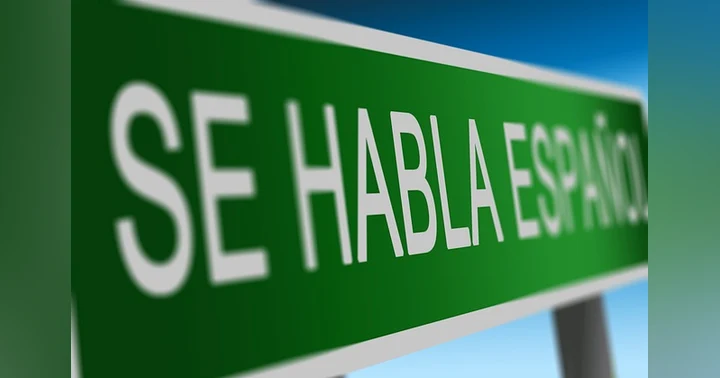
Pastor Rivas discusses his experience building a thriving Spanish language ministry within a predominantly African American Church. Learn how St. Stephen's Church embraced cultural differences for a unified mission.
Pastor Rivas discusses his experience building a thriving Spanish language ministry within a predominantly African American Church. Learn how St. Stephen's Church embraced cultural differences for a unified mission.
0:00 Dr. William T. Choctaw: We want to formally welcome Pastor Jose Rivas to the Health and Wealth and Wise podcast. And we're absolutely excited with the information that he's going to share with us and with our audience. But what are some of the ministries that you're involved with in addition to the overall pastoring part of it, but individual ministries? Pastor Rivas: Well, I'm, uh, with the mans at our church, the, uh, Um, and, uh, ministry, um, uh, now, you know, um, most, a lot of the ministries fall under servants arm, uh, ministry that we have on these things.
0:43 And, uh, and we're part of that too. We're volunteers. We're helping that too. So service arms is the food bank. It's a food bank. That's St. Dr. William T. Choctaw: Stephen's. Okay. Pastor Rivas: Yeah. It's a food bank. And, uh, under that, uh, there are some other ministries too, too. Okay. Like, uh, Hands of Mercy that we had sometime, you know, that we help the community, uh, around to do, uh, let's say elderly people who, who need stuff to be done. Okay. Okay. There is that ministry that we used to do. Um, I hope to, I mean, the pandemic came and, uh, we'll stop doing that set, uh, and that's, uh, we call it gotas de bendición, which means, uh, drop of blessings in English to translate it.
1:31 Uh, and that is a mission that we do for the kids in El Salvador. Dr. William T. Choctaw: Okay, so you have a mission that you go to El Salvador with a group for individuals in who live in El Salvador. Pastor Rivas: Yes. Dr. William T. Choctaw: Okay. Pastor Rivas: Yeah, every every February first week of February on and we've done it for I think it's going to be the This, this coming year, we have done 18 years already. Okay. 18 times. And last year we, we went there twice. All right. Because of the, uh, the event that we have and also for Christmas. Dr. William T. Choctaw: And what, what is the purpose of that mission? What's your goal there?
2:13 Pastor Rivas: Uh, the purpose is just, the thing is to give to the kids of the village. Yes. Um, a happy day. Uhhuh. . Okay. You know what? To celebrate their birthday. That, that, that, that, that was our goal when we started it, you know? Okay. Let's cut a cake, get some pinatas, and let's celebrate our village. Uh, the kids, the children's of our, our village are, you know, where we, uh, where, where I was born. You know, to, to, uh, to bring this happy day.
2:55 You know, this is a joyful day on this, on these things. But then this thing grew. Okay? I mean, from, from 25 kids. The next times, uh, we had 250. Wow. So we saw the need, you know, to be more, more logistic and more, uh, and with the, uh, we need to do something. That's when we started to do. So what we do now is just evangelize. Okay. And we have like, uh, we have like a retreat. That day is a retreat that, uh, according to the, their ages, uh, they, uh, we separate them, you know, kids, children's kids, uh, uh, young people, young adults and, and older people, all those, we, we do sessions.
3:50 Got it. And which teach them and, and, and help them. And, uh, the goal is just to let them know that there is somebody who loves them. Understand Dr. William T. Choctaw: How large is your team that you take with you from the US to El Salvador? Uh, to work with these kids. When, when, when you do go on your mission trip, how many people go with you? Is it just you or, uh, just two. Uh, Pastor Rivas: it, there're usually five. My people who have been going with us from here, right, right, uh, there have been times that were, there's about seven go with us because the team, the bigger team is over there.
4:40 Got it. On this thing. So, um, we have a church that we have, uh, uh, the help us. Dr. William T. Choctaw: So the five that go with you, you work with the existing church in El Salvador to provide these services to Pastor Rivas: this on this thing. So, uh, when we go over there, kind of like, uh, um, um, when we take it, are the teachers who are, who are the one that are coming with me, right? All those things. And then, and then all the, you know, because it takes. To move 300 to 500 people, it takes a lot of, uh, volunteers to go around on this thing.
5:22 So, uh, most of the volunteers come from, from over there. And also, and, and a good, uh, good, uh, uh, thing too. Uh, there are volunteers who, they're not even Christian. Okay, just part of the village, and, uh, and then they're part of it on this thing, because this is one of the things to the way we try to to do. It's a community event. Okay. Also, we, uh, we preach the word of God in that, but if you wanna be a volunteer, you know, helping, guiding people that hey, it's this way, or, or helping, assisting, uh, the kids in a classroom set, you know?
6:11 And because that's how they have been, uh, able to witness how we work. And now they are Christian. And now they are teaching. Amen. Amen. So, uh, it's, it's, it's, it's, uh, it's a beautiful thing that has happened in that way. So we have learned in the way, in the journey on this, on this thing, uh, you know. Okay. So right now it's, um, To do that. And our goal is to keep multiplying disciples. Okay. Okay. In other words, to, for us to get out of the way so they can work on it.
6:53 Okay. So we can move somewhere else. Got it. And that's what we, uh, been doing. Uh, we've been, uh, we went to Costa Rica too, uh, to do an event like that. Yes. Uh, we went to, uh. Um, did you go to Ecuador? Not yet. Ecuador, we're going this, uh, next month. Ah, okay. In June. Dr. William T. Choctaw: So, so you're, you're doing work, I was just trying to get my head around this, you, you're doing international work, you're doing intra US work, you're doing intra church work at your own church. How do you have time to do all that? You know, they're, they're 24 hours in a, in a day and seven days in a week.
7:38 How do you, how, how do you get that strength? How, how, how did you learn that? I guess is what I'm trying to say. Pastor Rivas: Well, um, one thing is that I, I am blessed to be, uh, staffed for the church. Okay. So that gives me the opportunity to go outside. Dr. William T. Choctaw: Got it. Pastor Rivas: Got it. You know, because if I were, uh, like all my, all the pastors that I know, you know, and they are be vocational, uh, you know, that they, that they're pastors, but they also work in the, uh, they work in the, uh, And, uh, the workforce outside, you know, so that, that will be very hard to do.
8:23 Got it. So Dr. William T. Choctaw: you're full time at St. Stephens as a part of the staff, and that gives you the time, the time, flexibility, and the resources to broaden the scope that you're able to provide to the community. Correct. Yes. Let me circle back to, you had mentioned about Servants Arms and the work you were doing at the food bank. I had heard. That not not all that a major part of the part of the work that you do at the food bank is that you're in charge of the water. Explain to me, explain to me, explain to me how that works at a food bank and and just just just tell me about that. Tell me about that.
9:05 Pastor Rivas: Well, um, you, you can't, you can't charge that account to your wife. Um, one of our, um, uh, uh, representatives, uh, in, uh, for the city of La Puente or the county of LA, you know, donated, donated a vending machine, a water machine. A water machine. Okay. On this thing. It's professional. It's, I mean, it has, um, all the filters needed to have, uh, purify drinkable water on this thing. Out of, from the house, you know, from, from, from the street water, you can see that vending machine and all the filtration that is going on when it comes to the, to the other end, you know, it's drinkable water.
9:58 Dr. William T. Choctaw: So the people who come to the food bank to get food, because they can't afford, they can also get water. Pastor Rivas: So we can do, what we do is, that vending machine, you know, every day that we have a food bank, we brought it, we bring it out. Okay. And is available to everyone to everyone who wants water, free water on this thing. So uh, and you know, that, that's how we see it. We connected, uh, you know, in the morning and then after the, Food bank, uh, service is over. We'll put it back in. Dr. William T. Choctaw: So people come and get free food and then you're in charge of the free water part of that?
10:39 Pastor Rivas: Right, right. Dr. William T. Choctaw: Okay, okay, okay. Interesting. Once Pastor Rivas: the vending machine has sat, you know, it has already just a knob to turn it on and turn it off. So they, they themselves do that. Oh, they, uh, and it has been a blessing because there are some people who said, uh, excuse me, can I bring my five gallon water bottle and fill it up? Yes. It's yours. Free? Yes, it's free. Yeah, it's, it's, It's, it's, it's a blessing in there too, so.
11:21 Dr. William T. Choctaw: And, and I think that, and I, I agree with you, it, it is a blessing, and if, if one has ever been hungry, if one has ever been thirsty, uh, then I'm sure one can appreciate how important it is to be able to go to a place where, where you can get free food and free water. You know, for yourself and your family. It's a big, big deal. And, and, and God bless you and all those who, who work with you and the food bank and who, who, who, who do that mission. So, if you were advising a young minister, uh, and let's say this is a young minister from Guatemala. And he, he's, he's, uh, he's just finished school and he's, he's in the U S and he wants to get involved with, um, uh, service and, and, and, um, and let's say he started a church.
12:15 Maybe has about 10 people. What, what advice would you give him just starting out since you've been doing a lot of this stuff both locally and internationally? What, what direction would you give him to, uh, to be effective as a leader, uh, of, of individuals? Pastor Rivas: Um, the first thing I will say Uh, is that, you know, two is better than one. So, you have to get connected. Mm hmm. It doesn't matter how much you have or how much power you have. I mean, it is a need to, to have somebody.
12:56 And if it's young, Even though sometimes we believe, and especially today's age, we know it all, it's uh, how to say it, it's super vital, it's important to have a mentor. Okay, a mentor. Okay, got it. The two hours to go to on this. Yes. Yes. I agree on that. And just see the, uh, I mean, I think God is the one who opens doors.
13:38 Okay. You know, and if your desire is that, then God is the one who's going to be open, opening doors for that, you know, and so you will have to, uh, see what it's, see, I had a mentor, uh, just to give an example, my, my pastor that I grew up with on this thing. So, uh, and now when I came to be a pastor, uh, to plant the church. You know, even that, uh, there was a, uh, uh, distance from my previous pastor. Yes. And I was working with this pastor. Okay. So I needed to contact this pastor to have more connection with this pastor.
14:24 Okay. In other words, it is more, uh, you have to be, uh, you have to have a mentor person that you have to go to. Okay. Makes sense. And probably that's, that's because of also who I am. What gets you to be a pastor. Yes. Um, and I became a Christian. I was a leader. I was serving as a, uh, in church. But to become a pastor, it was not in my mind. Got it. You know, um, but it was a point that, uh, and that's what, uh, I, I knew I had a calling because of the, of the way God revealed to me.
15:10 Okay. On this thing. So I, I, I went from the, the youth, uh, from the youth being, being in the youth group, you know, to Asher, Deacon, to be a pastoral assistant. Dr. William T. Choctaw: Okay. Pastor Rivas: And then one day the pastor said, um, what are you waiting for? I mean, uh, cause the next thing is just to, you know, uh, how do you say when the government is overtaken? You know, they take away the president. Right. Right. That's the next just to overthrow, you know. Dr. William T. Choctaw: Right.
15:50 You're the designated survivor. I understood. Pastor Rivas: But, um, I was so comfortable serving, you know, that I, uh, I didn't see that. But then I start, uh, start playing and the same need of Yes. Uh, you know that there is a point in my life that there's a need to do more so that that's when God start opening doors. And the way I didn't see it, uh, to be a pastor because I was completely 100 percent comfortable and I will love my job, my, my, what I was doing over there.
16:32 Right. That was my family. I mean, in my, my church, uh, like I said, I mean, I, I grew up just in one, in that church. Uh huh. I converted there. I was baptized there. My girlfriend there, uh huh, she's now my wife. So I. Okay. Got married there. My kids were born in there. So that was my family for me to see me outside. But like I said, it is the relationship that God has with you. It comes to that. So it's very important to have a, uh, uh, a mentor that you can go to and to be honest with God in that relationship that you have, and that will be open.
17:17 That will open doors. You know, Dr. William T. Choctaw: but isn't that the way it appears to happen a lot of times that we, we get comfortable wherever we are, whatever we're doing. And God says, you know, I understand all that, but I've got some other work for you to do. And a lot of times that work, at least initially, uh, involves getting uncomfortable. And then that uncomfortability, comfortability is a part of growth. That, that, that if you, um, and I'll just make a general say if everybody, you know, if you comfortable and everything is perfect, maybe you aren't moving in the direction that you wanna move in, or that may not last forever.
17:57 And I, and I think that that's certainly a good message, uh, to, to have and, and to understand Pastor Rivas: and, and let, and let me throw you, uh, uh, one of the things personally that. Because we're coming from a church, a planter churches, you know, uh, from our church. Uh, they're, uh, the pastor planted like about 12 to 14 churches. Dr. William T. Choctaw: Okay. Now, what is the planter church? I'm not familiar. Pastor Rivas: Planter church, it's a church who sends out, uh, ministers. Okay. Church. Oh, okay. Okay. Got it.
18:37 Got it. So they plant a church. Got it. A daughter church. Right. Right. Right. Uh, from the mother church. Okay. Okay. So it sends, uh, you know, he, he will train us and then it start going, uh, you know, you go to, uh, this city, go to that city. You know, starting a church. Got it, got it. On, on, on, on that. So, um, when I was there, like in my life, said, uh, and the, and the pastor said, your wife and you, you know, you guys are ready to. to go to go. And it says, and I tell the pastor that that time is it?
19:20 Well, God hasn't say anything to me yet. Because it's the same thing. You know, I mean, I'm being honest. Um, but, uh, you know, Pastor Dr. William T. Choctaw: Rivas, he was whispering to you. Pastor Rivas: Yeah, yeah. , I was praying, but, uh, you know, uh, that, that, how, how many years ago was that? I, I, I'm not a man of faith. I mean, I have to, all you have to do, just put it in my heart. Uh huh. But when I do it, there is a conviction, you know, and not a convincing thing, right?
20:05 Right. Right. Conviction that I can give my life to it, you know, uh, and I will ask for Uh, for lifetime, not, not only for a, a, a, a period of time on this. Got it. Got it. So, uh, I know that was, uh, it was, uh, like getting married and, and, and being in the ministry, it's one of the biggest decisions. They got it. I missed it. Dr. William T. Choctaw: So, so what is, so you, you, you've come from El Salvador, you got married there, you, you grew, you come to the U. S. and you've done sort of great things from bringing people to Christ to actually passing out free water at the food bank.
20:50 Uh, what, what, what is your next? Big step. Pastor Rivas: Oof. Dr. William T. Choctaw: I think I'm comfortable now. Nah. You're still waiting on that whisper. Okay. Yeah. Pastor Rivas: My, my big step, uh, what I, what I am trying to do now, you know, is make St. Stephen Espanol, uh, to grow. Okay. And disciple. Okay. Disciple and to be a teacher, to be a, that's why I'm in the way of doing the ministry.
21:37 I, you know, I, uh, my teaching is a very, very big part of it. In other words, if I do a synergy group, uh, my next step is to get somebody who can assist me, but in a due time that he can replace me so I can do something else. So, uh, and leave that synergy group with this group. So, um, my, my next step is, uh, do this foundation. You know, and.
22:17 to multiply. Got it. That's my work and my, my, my, my, my desire and my whole thing that I do locally on these things. Um, that I can have teachers coming out of the Spanish ministry, they can have people with convictions. Yes, people converted. I know what they can make. Uh, they can shape, you know, like you said, uh, in your program, you know, to be the change they wanted to be the world. Okay. Okay. That kind of things. To, to, to promote that on this thing and, and, and also to, um, uh, merge in, uh, uh, more in a multi ethnic, uh, kind of, uh, service.
23:15 Okay. Okay. On, on this thing, so, uh, different events, uh, uh, things like that nature to, to make that foundation solid. Okay. Dr. William T. Choctaw: Okay. Pastor Rivas: That's Dr. William T. Choctaw: okay. And that's definitely a need. You know, if certainly there was any time to have multiethnic service and growth in teaching is now, you know, with with some things trying to go in the opposite direction, and I certainly abroad you. for your leadership, and I applaud you for the team that you've assembled and those who are working with you to take on this awesome task.
23:59 You know, many are running in the opposite direction, but you're, you're, you're running toward the fire instead of running away from the fire. But I think that's because God has anointed you as a leader and, and has put on your heart to do this. We want to be respectful of your time. Is there any Any, any last words or any, any words of wisdom you'd like to leave our audience with? Pastor Rivas: I think God is perfect. I think God is omniscient and omnipotent. And the reason I want to say that is that, um, if he made us, he made us With the purpose because he is perfect.
24:52 And every single one of us has a purpose and he equipped us. For that purpose. Yes. So, uh, it is us, uh, that we need to find that purpose in the sense. But once we know him, we're going to obviously by by default, we're going to know what we were made for on this things. Um, and what would I say is that there is, you know, What we need is to be who we are.
25:34 Yes. Whoever we are. I'm talking about to be who we are, not who we think we are. Dr. William T. Choctaw: Understood. Pastor Rivas: Because who we are is who God made us. Yes. Understand? So, to, to be who God, uh, who God made us to be. , you're not gonna be wrong. Understood. We're gonna make, we're gonna, we're going to make mistakes, obviously, right? Uh, but you know, everything is going to be. For the right reason, for the right purpose, you know, uh, all things come, I mean, work for good, says, says Romans, uh, chapter eight, right?
26:17 So, uh, don't try to be anybody else. Right. Imitate their faith, but not their personality. Got it. You know, because, uh, um, if you imitate somebody's personality, you're in the wrong direction already. Right. There is no power as to be honest and to be who you are in terms of influencing somebody. You're not going to influence the whole world, but if you're honest, if you're, uh, if you're truthful to yourself, even with our mistakes, even with our faults, you're going to make the most influence.
27:11 Whatever you are on those things. And one of the things is, uh, I will say too, is not to worry so much for the past. Okay. And don't be anxious for the future. God is in control. Right. Because if you worry for the past, or you be anxious for the future, this day is going to pass, and you're not going to, you're not going to delight. So I heard somebody say that he decided not to have any bad days.
28:00 So, and that's my philosophy, if philosophy, we're going to call it philosophy too. You know, God is perfect. Yes, I submission and he gave me the strength to get up this morning for a purpose. So I will say this is the day that the Lord has made. I shall be glad and rejoice in it. Even though it's cloudy. Praise God. Amen. And that's okay. I'm just saying, so only see the, the heart is the only one who can talk to another heart. Dr. William T. Choctaw: Understood. Great. Thank you so much, Pastor Rivas, for sharing your valuable time with us.
28:44 Um, just even thinking about all the things that you've discussed this morning with us and the things that you're doing makes, Uh, us appreciative of even how more valuable your time is. But thank you for stopping by and sharing your words of wisdom. May God continue to bless and keep you and your members and your church. And, um, um, and I am convinced that there are going to be great things even more. That we're going to be hearing from you and, and, and, uh, our team, including you. Okay. Well, Pastor Rivas, you have a wonderful day. Uh, and in any last comments, I, I'll give you the last word. Pastor Rivas: Oh, thank you.
29:24 Thank you for having me. And it's really been a pleasure. And obviously we look forward to, uh, you know, to be in contact and to work. With you and by you. Dr. William T. Choctaw: Okay. All right. Well, God bless and, uh, be the change you want to see in the world. All right, take care. Bye bye. Thank you. Thank you Pastor Rivas. Bye bye. Bye.