Overcoming Obesity and Health Disparities: A Personal Journey with Sergio Zepeda
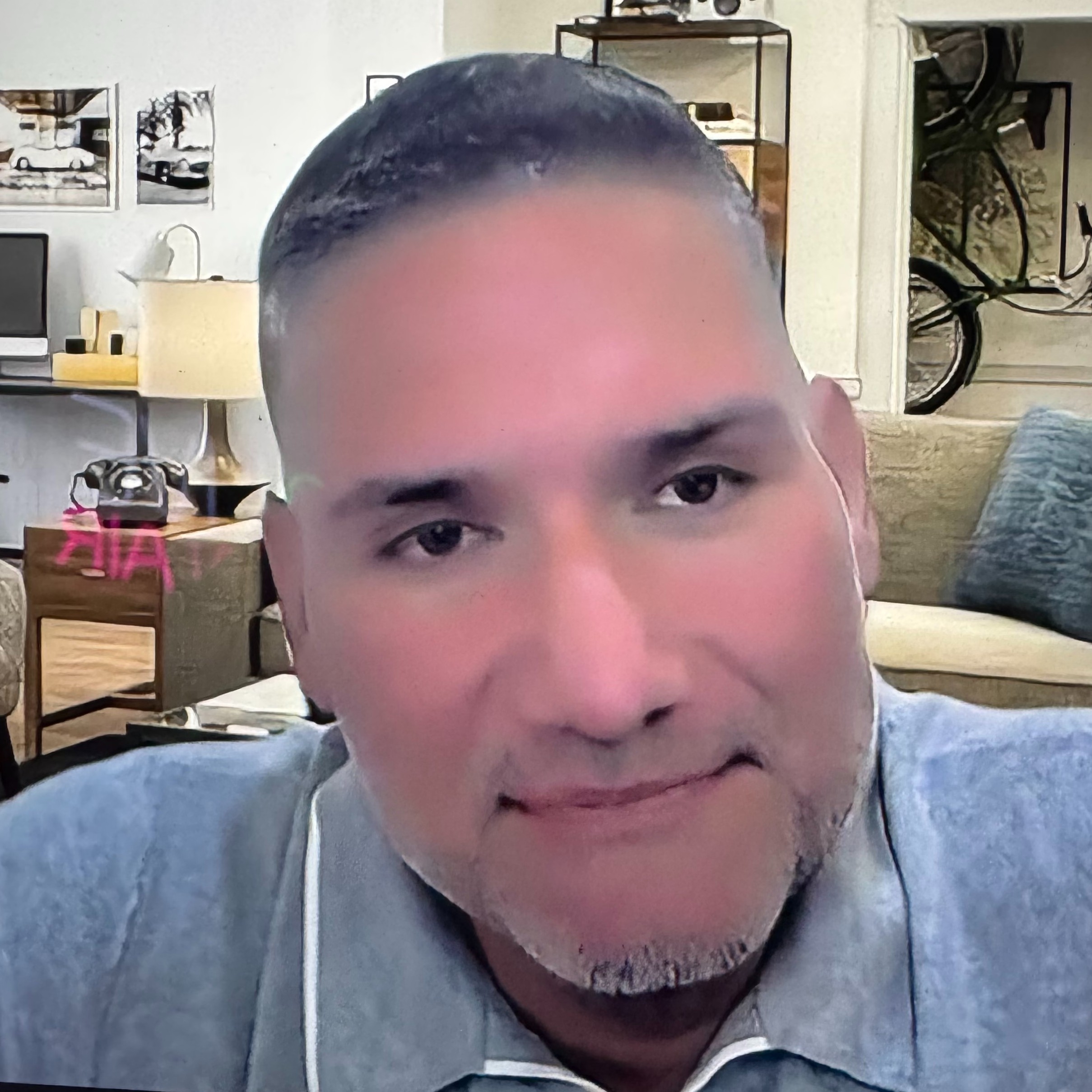
In this inspiring episode, Sergio Zepeda shares his personal journey of overcoming obesity through gastric bypass surgery. He discusses the challenges he faced, the misconceptions surrounding his decision, and the positive impact the surgery had on his health, including the remission of his diabetes. The conversation also delves into the broader issue of healthcare disparities and how they affect access to treatment options for people of color.
0:00 Coming up on this episode of the Healthy, Wealthy and Wise podcast. A lot of times it's your mom and dad or grandma and granddad. It is not your fault. Now that doesn't say that you can't do things, but you didn't not necessarily create this. And so you aren't this kind of person or that kind of person. Welcome to the Healthy, Wealthy and Wise podcast with Dr. William T. Choctaw, MD, JD. This podcast will inform, educate and motivate you to live a more healthy, wealthy, and wise life. It's powered by the over 50 years of medical experience of this Yale University Medical School trained surgeon, who also received his Juris Doctorate from Western State Law School.
0:42 He has executive experience as a former mayor of Walnut, California, as a chairman of the non profit Servants Armed, and as president of Choctaw Medical Group, Incorporated. You've got questions or concerns, he's got answers for both. So let's listen in on his story. Good morning, ladies and gentlemen, we're so happy to have you with us on this beautiful morning. We have a very unique and a very special guest with us. Mr. Sergio Zepeda. Sergio is a friend of mine. He and I actually worked together In another organization where we both are members of the board of directors, uh, of this organization called Servants Arms, which is a community based organization in Southern California.
1:30 Sergio is actually vice chairman of that organization, vice chair of the board. Uh, and so I've worked with him for a number of years and, and we were absolutely delighted, uh, when he. Was available and willing to come in and spend some time with us. Good morning, Sergio. Good morning. I'm very happy to be here. And so glad you thought to invite me. I'm happy to participate. And gosh, it's been up. I was thinking how long it's been since we've been on. I think it's been eight years. Is there? Yeah. Yeah. I mean, in a blink of an eye, it doesn't seem like that. No, it doesn't. In about eight years. We've been, uh, I've been on the board. I know you've been on much longer.
2:12 No, actually, I think, I think we, we all joined pretty close about the same time or, you know, around about that time. Yeah. Yeah. So from, from you and I've had some preliminary discussions and from what I hear, you, you had a lot of unique experiences and that you were interested in sharing some of those experiences with us. So, so tell us about that. So, um, well, I'm. I'm going to tell you a little ice professionally. I am a human resources director. I work in public health. We are a public health advocacy organization statewide. Um, we go into organization into communities what are High risk or considered high risk or, uh, more, uh, communities that have less resources and we pass policies or laws at whatever level they want, depending on whether it be the county or the city or we even do state, uh, legislation that promote public health.
3:19 And I think a lot of, especially underrepresented communities, communities of color. Yes. Don't know that you, this is, I mean, you have the right to tell your city council. This is, I want a green space. I want to limit the amount of fast food places that you guys that are keeping built, why are you keep building so much? I think, um, especially, um, people of color, I don't think they realize that. There are these corporations that target us because we have this affinity for, I don't know if you've ever noticed, uh, that if you go into a fast food restaurant in a more well to do middle class community versus in a community of color, the offerings of soda are vastly different.
4:06 Sugar sweetened beverage, they, and there's a huge panoply of sodas available in the lower community, in income communities, which are primarily, primarily communities of color. Uh, and then the basic, uh, middle class white community, there's Diet Coke Sprite. And, but, you know, the communities that are impacted the most by, uh, the access to sugar, to sweetened beverages are us. So we are trying to, to bring awareness to that. Um, some don't like it, um, but you know, I like to be liberal and, uh, champion the cause and be part of it all. Also, um, I'm 50, uh, 49.
4:50 I'm, uh I found myself a dad of three, a grandfather of one, and I'd have been focused on building this professional career, but, um, the pandemic hit, no one left their house and my health spiraled. I didn't get COVID, but, um, my health spiraled. Uh, I found myself. About to turn 50, and I was, I'm 6'4 I'm a tall guy, but, um, I was 410 pounds. I've been diabetic. My A1C was at 6. 7. My triglycerides were 567. So I was like a time bomb, you know, just It was inevitable that it was just a matter of time that I was going to have some type of crisis and I knew I knew I had to reset and it was especially pressing because I was about to be 50.
5:46 I was like, I cannot enter 50. Down this same path. So I was thinking about what I was going to do I started dieting working out joined the gym, but I was so far gone that it was really difficult for me Yes, you know, it was painful actually, you know Just because I was so out of shape. I was so heavy And I thought to myself now I need I need a medical intervention, some help. So I looked into, um, gastric bypass and, um, my insurance plan would have covered it. Um, but they said you would have to participate in a treatment program for a year, lose 10 percent of your weight, no guarantee that you would be approved for the surgery at the end.
6:34 And so I thought to myself, Hmm, I don't want to wait a year. And so I paid out of pocket. Okay. And it has been, I think I was at a place where I was, had a lot of clarity about what I wanted. So it wasn't a difficult person decision for, for me. However, I will say that there are many people who judged it as a poor decision and I don't understand it. Yeah. How could you take such a drastic measure and alter your body?
7:14 So permanently, uh, aren't you afraid? Why are you doing, why don't you just exercise? Um, hopefully they were people that, uh, are naturally thin. You know, that natural, right? Oh yeah. , but never gain. And they said, I don't understand your problem. You never gain five pounds. You know, they struggled to gain , the skinny ones, you know, they were. And so I got to a point where I just in telling, you know, I just stopped talking about it because, um. I said this is my decision, it's my path. But Sergio, you bring up an important point and let me jump real quick and I, I gave a talk about a year ago, uh, because as a physician, as a general surgeon, and I've, I, I, uh, this type of surgery was not my specialty, but I assisted on a lot of cases because we, we help each other.
8:01 So I'm very familiar with it, but one, one of the issues that I think our society doesn't appreciate is that obesity is more than just behavior. A lot of it is genetic. Yes. It is genetic, but yet in our culture, I'm talking about the U. S. culture, we sort of look this way at the person who's Skinny, skinny, skinny, and the other person who's obese, and we make value judgments about them. We don't know them, but we just make value judgments about them. So one of the things I tried to say in, in, in the little podcast we did on this some time ago, a lot of times it's, it's your mom and dad or grandma and granddad.
8:42 It is not your fault. Now, that doesn't say that you can't do things, but you didn't not necessarily create this. And so you aren't this kind of person and that kind of person, but go ahead, go ahead. Predisposition, whether it be the diabetes, obesity, you know, it's a very real thing. Yes, it runs in families and it's a lot. People think it's not, but eating, being healthy, isn't inexpensive. You can try. That's right. That's right. You know, but eating organically. Isn't inexpensive. You can grow things. Sure. But that's a lot of work. And if you're lower income, you probably work long hours or very shifts.
9:22 So, you know, it's when you have a nine to five job, it's a little bit easier, right? Like you can have, make some time to garden or, you know, more flexibility in your work, but. Working last people, it's harder. And I think people, we don't, you're right. We're very quick to judge. And as I found myself judges by many people, uh, in this experience, which was very surprising to me, but nonetheless, I took the jump and I did it and, um, I was actually very surprised at the recovery of it. So. One of the most striking, uh, secondary effects of it.
10:03 And no one told me this until the day of surgery that my diabetes went into remission. Yes. Immediately following surgery, and I have had my diabetes in remission since surgery. I am processing glucose normally, but it never appears in any of the information because I under, from what I understand, it's not a guaranteed side effect. Some very happens very often, but not always, and they still don't know for how long. That's true. It's not, it's not a guarantee, but I suspect that it's getting more and more and more like that because we know we physicians know other things that we can do to augment the surgery and that sort of thing to help patients to, to move in a, in a, in a proper direction.
10:54 But, but a number of people do go in remission and that's just great. And what I don't understand, doctor, is given. Given the cost of diabetes treatment, the secondary effects that will come with poor men's management, that poor management of the condition, which is very common in people of color. We don't manage it well at all. Why isn't it offered more frequently as an option? I get that the surgery is, um, but it's a 10, 000 surgery. Yeah, it's basically, well, I'm gonna, this is just my own personal opinion. I think there are a number of reasons. One is that I think healthcare disparities do exist.
11:37 Meaning that I'm physician A, you come in as my patient, I look at you and just say I look at you and automatically I put you in a category, psychologically I put you in a category. And what I mean by that is we know, we know, I've been in medicine for 50 years as a surgeon, we know that sometimes things are offered to one group, not always maliciously, but it may be, well, I know he can't afford, blah, blah, blah. So I'm going to do it this way, whatever, you know, all sorts of discussions occur. Um, and so a lot of times the, the, the, uh, opportunities or the, the remedy that's offered to the patient is limited and patients don't know that.
12:20 Patients aren't doctors. Uh, and you have to, you have to notice it, but you know, my friend did ABC. Why, why, why didn't you tell, why don't you tell me about that? Um, and so a lot of that is intentional. A lot of it is unintentional, but it doesn't matter. It. It ends up not being in the best interest of the patient. So I tell my patients, I say, go in and ask a lot of questions. Go online, read stuff, write down those questions before you go in. If you're uncomfortable, take a friend who can ask them for you. But you, you're already at a disadvantage if you're in certain groups, be they financial, be that, be the ethnic, et cetera, et cetera. And that, that's just a reality.
13:01 Health care, health care disparities. Exists, uh, and it's real and it's not in the best interest of the patient. And even the profile, like I've had some people mention that, you know, they, it upsets them that when their profile comes up on their doctor's medical screen, it says they're a Medi Cal patient. They receive different care. I, I, I've never been in a Medi Cal patient, patient, but I heard that many people do that. They experienced this. Oh, then you don't qualify for this because of that. Yes. Yes. But that's a part of that disparity where I get an attitude about you, you know, um, and I may say that attitude doesn't affect how I treat you, but I have the attitude.
13:49 So maybe subconsciously it doesn't, but you know what I mean? And I think that that's why the whole issue of health care disparities is such a big deal because there is a difference. There's a difference between men and women. And I. I. To. Tell the story real quick, the way we used to treat patients with heart attacks, you know, uh, back in the seventies, when I graduated from medical school, we were taught that a heart attack was crushing substernal chest pain. They radiated down to the left arm. And that's it. No, go ahead. I was going to say, is it true that heart disease treatment is based on studying men and so they That's right. That's it. You, you, you, you, you know this. That's where I'm going.
14:29 And so those studies that we were taught at Yale and other schools in the seventies were based on men because men were the only ones in the clinical trials. Women weren't allowed to be in the clinical trials. So then what happens? We then come out with a distorted view of, of heart attack. Women may not have that question. Substernal chest pain that radiates to the left arm. They may come in complaining of dizziness or nausea or blah, blah, blah, blah, blah, blah. So I think there's that. It is intentional and unintentional, but it exists that disparities end up causing some patients not to get the very best care they should get. Thank you for listening to this episode of the Healthy, wealthy and Wise Podcast with Dr.
15:11 William t Choctaw, md. We hope you now feel more equipped with tools and actionable information that will help you live a more healthy, which includes the mental, physical, and spiritual. Wealthy, which includes the financial, health, and spiritual. And wise, which includes the practical, theoretical, and emotional life. For this one and past podcast episodes, blogs, books, and news you can use, go to www. thw. org. wwp.com. That's www.thwwp.com and you've got it.
15:52 In the meantime, remember, you too can be the change you want to see in the world. You've been listening to The Healthy, wealthy and Wise Podcast with Dr. William t Choctaw. MDJD.
