Promoting Workplace Wellness: Innovative Strategies & Benefits with Sergio Zepeda
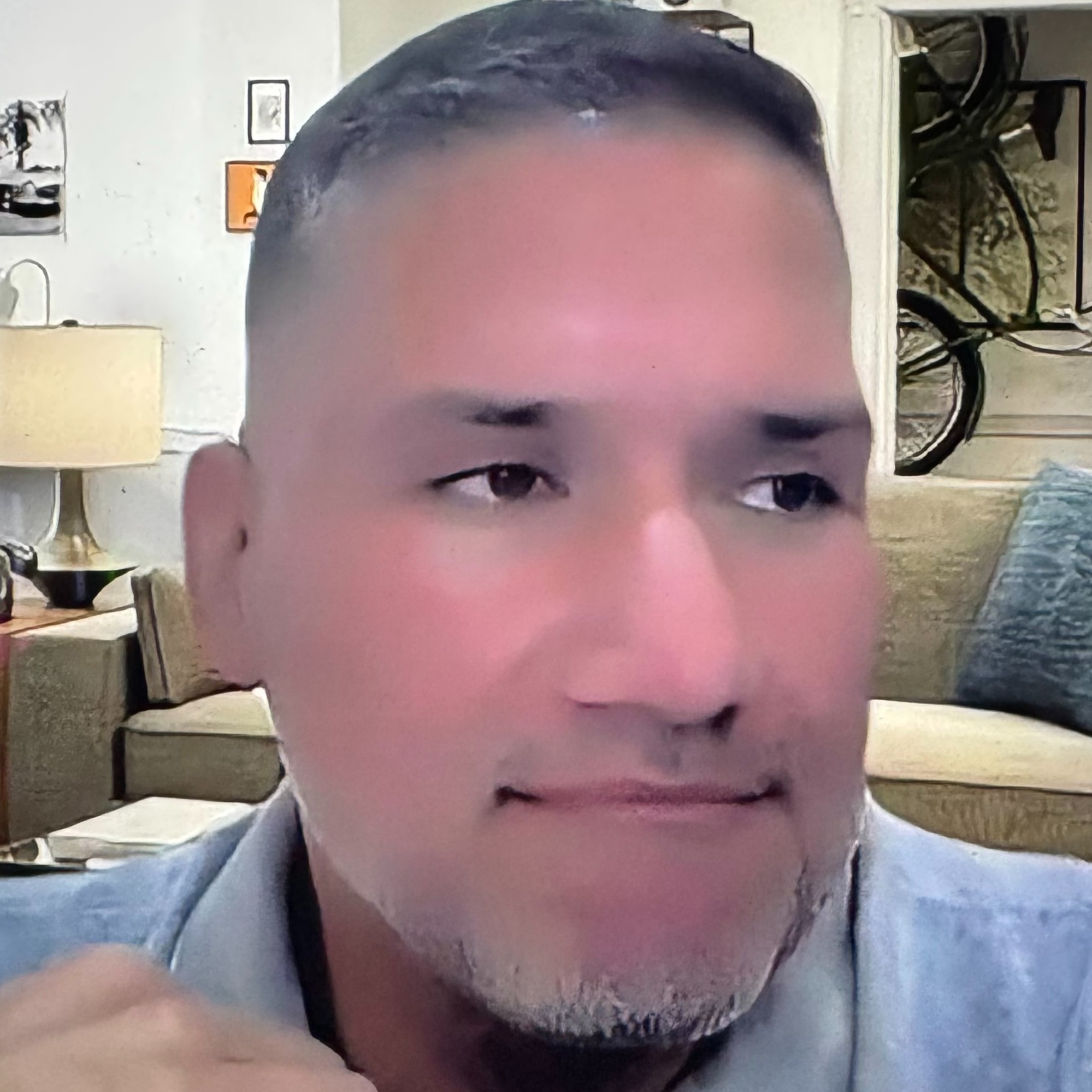
Learn about Sergio's company's unique approach to promoting employee health through physical activity breaks, reimbursement programs, and flexible work arrangements.
0:00 Coming up on this episode of the Healthy, Wealthy, and Wise podcast. There is no magic bullet. There is no quick fix, you know, um, and the closest thing to that is. Welcome to the Healthy, Wealthy, and Wise podcast with Dr. William T. Choctaw, MD, JD. This podcast will inform, educate, and motivate you to live a more healthy, wealthy, and wise life. It's powered by the over 50 years of medical experience of this Yale University Medical School. who also received his Juris Doctorate from Western State Law School. He has executive experience as a former mayor of Walnut, California, as a chairman of the non profit Servants Armed, and as president of Choctaw Medical Group, Incorporated.
0:47 You've got questions or concerns, he's got answers for both. So let's listen in on an interview already in progress. And I think it's, uh It's about changing a culture, right? Because in, um, you know, men of this age, we come from a time where you worked, especially, uh, you know, it's like you, the job is important. You can't take time off from work. You can't, why are you taking, even my mother, if I take vacation, are you taking so much vacation time because there's a stigma to work. Right. And that's the way it used to be particularly committed to the job. So yes, right.
1:28 You'll be passed up for a promotion because again, well, it was, it was like when, when I was growing up and I'm in my seventies, you're, you're approaching 50. And the idea was you work for a company for 50 or 60 years and then you retired. And, and the company was committed to you, and you were committed to them. Those days are gone. Those days are gone. Those jobs have been shipped overseas, company says, you know what, I'm sorry, you know, and even when you have pension plans, let's say middle class auto workers or whatever, company goes in, gets new managers and say, you know what, they have millions of dollars, and then they take the pension plan money, you know, you know, you have to sue them. So my point is that.
2:08 that all of that's been flipped on its head now and it's different. It's different. Not that it's good or bad, but it's, it's different. And we have to adjust to that difference. What would you advise? Let's say a 49 year old male who, who, um, is approaching 400 pounds or close to that, maybe, and who's not six, four. So let's say who's five, four or something like that. What would you say to him or her? You know, in terms of if they came to you for advice, I would say start reaching out to your primary care physician and explain your situation. Okay. Ask, What does my health plan offer me?
2:50 Um, Kaiser, my health plan through Kaiser offered quite a bit. There were support groups and, um, you know, and that they, my doctor said, you can sign up for this. You can sign up for that. There's, uh, there's very good, different apps available. Um, but it's also, I think the best thing is to find out all of your possibility, what, everything that's available and then decide on it. Uh, try to make an informed decision about what is the best course of action for you. That makes sense. I think that. Includes not only knowing what's available, but then researching into what, uh, what experience people who are similar to my profile have had, right?
3:36 Because there's a, the type of man that you, that used to probably be an athlete at one time and they had, they, they had that history of, you know, it might be a little bit easier for them to lose weight. So, uh, you know, It might not be, or as we're saying, it's never really been athletic. It might be best. What did they call it? Ectomorphs or mesomorphs or, you know, muscle, how you process your, what your metabolic rate is start finding out about what, how to, what is your profile? So becoming more informed, knowledge is power. Yeah, I think that's an excellent point. And if you're, and if it's not working, ask yourself, okay, it's not working.
4:19 The regroup and. Ask for advice because we think we know and we can listen to a lot of podcasts out there that make a promise and, you know, especially around fitness and nutrition, right? Miracle. There's a, you know, take this. It will. You know, it will be your miracle cure. It will be valid. And, well, you know, the whole thing with dive medication, right? No. Yeah. The whole thing with dive medication. I still remember when, when Oprah got into her new jeans, I don't know, 20 or 30 years ago or whatever. I remember those two, but it would happen every five years. It was a cycle. That's right.
5:01 And she'd come out and like, Heavy Oprah, thin Oprah, right? But, but yeah, Luther Vandross, yes, yes, yes. Luther Vandross is one of my favorite singers, right? Great. But like he would have a savvy period. Then he'd come out and he's skinny. That there is no magic bullet. There is no, Quick fix, you know, um, and the closest thing to that is healthcare is finally coming up with good medication with, with some of the newer types of medication under physician supervision that can help, you know, and, and the surgeries improve now, you know, our ability to do the surgeries and, and to make it more effective for the patients much better now than it was 30 years ago or 40 years ago.
5:51 Um, so, but, but. But I, I think your advice is, is, is very, very good, but what else would you advise a patient? Get a buddy. Yeah. I like that. You know, accountability buddy, whether it be a gym buddy, someone to walk with, someone to even complain about, yeah, I could really go for some fast food right now. At least have ones like, we can acknowledge that, yeah, it'd be really great, but we're not going to do it. Having an accountability buddy really helps, you know, even not only to work out with you, but just to hear you, you can gripe. Over it. Yes. Yes I am. Um, you know, I do a lot.
6:31 Uh, I walk a lot. I spend a lot of that. And do I love it? Do I hate that? I have to spend someone. No, it's helpful to my mental health. I'll admit it. I, uh, I wish I could be that person that loves to work out or like, uh, you know, I don't, I could really enjoy just sitting, watching Netflix all day or something, but I do understand. I will not. I will not deny that once you get into the rhythm, there are the, the endorphins kick in and feel a difference. Yes. Getting to that difference is can be a big ribbing moment.
7:13 And it's so easy to talk yourself out of it, right? Like, well, I won't work out today. I'll work out tomorrow. Um, you get into these patterns of, Talking, I'm really good at talking myself out of doing physical activity. So I, when I get into that mode, I don't even think about it. I just get up and walk out. Once I'm in, and once I'm in my zone, I was like, ah, it wasn't so bad. But you were very good. You had walking. You had a good exercise program, you know, as a foundation that you were able to build upon, uh, that took you to the surgery, whatever additional, uh, treatment that you needed. So you had done a lot of the homework.
7:53 I, so I've developed, I have fans that I didn't even know, uh, I had, I, it's funny. I, in the line at the grocery store, people say, you're the walker. You look great. I mean, you know, you lost so much weight and so now you really are, uh, you inspire me to get out too. It feels a little bit creepy. It's like, why are you watching me? I'm not in my head, but I never think people notice me, but it happens frequently that you're the walker. And people recognize me when I'm out at the stores in the local store or something. And it's kind of nice that people recognize you and validate the work that you're putting in.
8:33 It shows that you're demonstrating leadership even without knowing that you're demonstrating leadership. And I think you're also correct. I think people do notice us, good or bad. You know, and that, that for all of us that, uh, we, we wanna be cognizant of that whatev whatever we're doing or trying to do that, uh, we, we may be influencing somebody else. And it really is about that. You see this on the, so on social media sometimes that, sometimes, uh, a kind word to someone Yes. Really be a transformational experience because you don't know. What they're dealing with in their personal life or in this, uh, a kind gesture or some, you know, even a few words can really be transformative.
9:23 So I think there's great value in that. And I think. We are, um, it doesn't come easy to a lot of people, I think, especially. No, no, it doesn't. Uh, society that we live in, right. And sometimes our society is cruel to those people, you know, that we put them down and then they sometimes spiral into sadness and depression, which of course then makes the problem worse. You know, once you start going down what I call the rabbit hole, it's hard to come back up. Somebody needs to come and get you, and sort of pull you back up, because then you start having those negative thoughts that folks have said, and you people this, and you people that, and why don't you do, you know, on and on and on, and start questioning your own self confidence.
10:10 And if you lose your confidence, then it's more difficult for you to make those correct choices to, to sort of help. and, and come out on the winning end. Um, I, I just think it's extraordinary what, what you've done and individuals like yourself have done. Yeah, I do think you, it goes back to that psychological piece. You have, you glatch onto this negativity or you know, I am the fattest person in the room. People are, yeah. Looking at me funny. They're looking at me. Yeah. People do notice you or you know, or on the plane, am I taking up too much of the seat? Yes. You know? Um, and people can be very cruel. Yes. And I think that, and you're right, you do spiral into this rabbit hole and.
10:57 You just perpetuate it as you know, you get lost and I think you're so right. You need someone Or some, whether or not a friend or some type of professional help to help climb you out, climb out of you. And that's why your suggestion that early on of, of getting a friend. That, that friend is there not because he or she is brilliant in, in weight management or whatever, but they're somebody who will listen and not judge. That that's all you need. You just need somebody who listens and not judge. Um, I I remember one time Um, um, I was talking to someone and and they they well They were talking to me and I was saying well You can do this this and this and they said to me they said, you know I'm not talking to you for to tell me what to do.
11:37 I just want you to listen I can figure out what to do But I I just need an ear to just listen to me Tell you a b and c and that was that was a watershed moment moment for me. I said, you know, okay, I don't have to always try to solve somebody else's problem. Sometimes solving that problem is just being a friend. And sometimes being a friend is just listening and saying, okay, I understand what you said is so important. We have, uh, we have this in my executive team where, uh, If we need to just vent about something that happened, I just need to vent about something so then everyone knows, okay, he's not asking for feedback or advice on how to manage it.
12:21 I just need, especially when you're, there are things you can't say to anyone within the organization because it's perfect. sensitive issues, but someone on your team who you can say, it's like, I just need someone to hear me. I don't, I don't need, I don't need your feedback or they're in town to tell me I can figure it out, but it's so helpful to have someone just hear you. Yeah, we call it ventilation. Ventilation is therapeutic. Ventilation therapy. And that, that's what good friends do. And no judgment, you know. You will be okay. God is in charge of whatever the words of encouragement are. And we all need that. I don't care who we are, how strong we are, or what we're going through. We all hit those, what I call, bumps in the road, you know, where, where we need someone to sort of help us out.
13:06 And hopefully we, we pay that forward type thing. Um, so. No, go ahead. No, go on. No, I was just going to ask. So does your, does your company, um, encourage activity and health or whatever? Um, and, and how does that work? So within our organization, we, um, As a policy, internal policy, employees are, um, entitled to, uh, have a 30 minute, uh, physical activity break throughout the day on the clock in addition to their break, so their hour lunch, their 2. 15, they can take a 30 minute, 30 minute physical activity break.
13:47 I think we have, um, physical activity challenges three times a year where you get 100. Okay. So, number logs the most physical activity in a four week period. Uh, you get a hundred dollars. We have the hundred dollar physical activity reimbursement. So that happens once a year that if you want, say your gym membership is a hundred dollars, log in, uh, that you have physical activity for five weeks, for 30 minutes, five days a week. You can get 100 back. Um, and the flexibility of we're entirely remote, uh, organization. So the flex, is that right?
14:28 Okay. So the flexibility of if you want to take a zoom meeting and you have a treadmill pad beneath your desk and. You're walking along , uh, while you're in your business, that's really fine too. Um, before the pandemic, we uh, also used to have WA and when we had offices before we went remote, we used to have walking meetings. Um, okay. Walking meetings. Yeah. So it's like, okay, we all worked in an office and you were gonna meet with people. We said, okay, well, let's take it as a walking meeting. So we'd set up sitting, everyone's sitting at the conference table. We'd all just go for a walk and have the meeting. for listening to this episode of the Healthy, Wealthy, and Wise podcast with Dr. William T. Choctaw, MD, JD.
15:09 We hope you now feel more equipped with tools and actionable information that will help you live a more healthy, which includes the mental, physical, and spiritual, wealthy, which includes the financial, health, and spiritual, and wise, which includes. The practical, theoretical, and emotional life for this one and past podcast episodes, blogs, books, and news, you can use. Go to www.twp.com. That's www.wwp.com, and you've got it. In the meantime, remember, you too, can be the change you want to see in the world.
15:53 You've been listening to the. Healthy, Wealthy, and Wise Podcasts with Dr. William T. Choctaw, MD, JD.
