Protecting Your Freedoms in a Changing World with Dr. William T. Choctaw and Attorney Bernie Brown Discuss
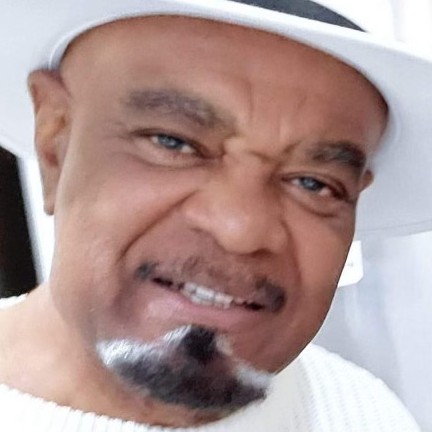
Dr. Choctaw and Attorney Bernie Brown explore the interconnectedness of health, wealth, and wisdom in the face of political uncertainty. They emphasize the importance of understanding legal and political developments, staying informed, and taking action to protect your freedoms and well-being.
0:00 Coming up on this episode of the healthy, wealthy and wise podcast. I used to think a few years ago that democracy was safe. Yes. Well, it was secure. Yes. Maybe, you know, maybe I, there are a lot of things going on in the world, but at least democracy, the vote is secure. At least majority rule is secure. But now, you know, like So many other Americans, uh, I look at it as a baby that doesn't stop. Welcome to the Healthy, Wealthy and Wise podcast, a podcast that provides actionable information and tools you can use to live a more healthy, wealthy, and wise life.
0:44 This is the Special Brothers in Law edition featuring Dr. William T. Choctaw, MD, who is also an attorney and attorney Bernie Brown, a former Los Angeles city prosecutor. Let's join the conversation. Well, ladies and gentlemen, we are completely. I'm truly delighted to have one of our, our, our, uh, supreme, uh, no pun intended, uh, uh, guests and, and interviewees, uh, from the very beginning of our podcast, um, attorney Bernie Brown, um, who has stopped by, uh, he's, he's a very busy guy, but he's, he's, he's been gracious to stop by and be willing to share, uh, some, some, uh, brief moments of his time to just to give us his thoughts about some of the things that are going on in the United States of America.
1:39 You know, we're all good Americans and we've been blessed to live in a democracy and have freedom that most people in the world don't have. However, like everything else, those freedoms Tender to the ebb and flow and what is important is to be able to understand what's going on to participate and to still stay grateful and stay positive. So welcome Bernie, happy to have you. Well, thank you, thank you, thank you. You have such an outstanding program here. It's such a great contribution to mankind and to the world. So many people are appreciating it and it's really a good thing.
2:22 Uh, there's so many things going on in the world now that are of concern. Uh, especially with all the potential wars and the Ukraine and Russia and, but uh, back to the Supreme Court. The Supreme Court is really shocking me in so many ways. Okay, and tell us about that. Well, for years, historically I can start that the Supreme Court was maybe. Ideologically motivated, but not necessarily politically motivated. But some of their recent decisions are pushing me to a different opinion You know, but the real big decision that's coming is the decision regarding presidential immunity.
3:10 Oh, is that, that's, and most all legal scholars would be shocked if the Supreme Court grants complete immunity, complete presidential immunity. I mean, Uh, from any type of criminal prosecution, ordinarily, ordinarily, the case is that as a prosecutor, prosecutors, let me step back, as a prosecutor, prosecutors have immunity for their decision, but that immunity only extends to decisions.
3:53 that are relevant to and relate to the performance of their duties as a prosecutor, as a prosecutor. So, it doesn't extend to personal activities, to personal criminal activities, uh, so it's limited. And we would think that the Supreme Court will do the same. The question will be whether they will delineate how specific they will become. It's certainly likely that they will say, no, absolutely. A president does not have complete presidential immunity from all types of criminal conduct, including personal criminal conduct.
4:40 Conduct that's not related to their performance of duties, uh, as a president of the United States. That seems very likely, but will they specify, how, uh, how deeply will they delineate? Is, is the question, the, the Supreme Court, uh, that, uh, the legal experts are pondering. Well, you know, that was one of the things that they, they taught us in law school. I, and let me, uh, preface by saying, um, uh, Attorney Brown is a prosecutor. He's not a defense attorney, was not a defense attorney. So, so this really touches him more, if, if not most, than, um, felons or anybody getting away with crime.
5:26 and being protected with crime. So, so when, when you hear his passion about that, about this, it is genuine, uh, it is deep and it is very, it is very, very important. But one of the things that we've always taught to your point, Bernie, is that when you listen, when you read a Supreme court decision, listen to the dicta, D I C T A, what you said is what they say between the lines. A lot of times they give you. About where they're going and what, what you can do later and whatever. So it's not just the yes or no, it's how do they say yes or no?
6:06 Uh, yes. And, and, and that'll be one of the things that I'll be looking for. And I think that's one of the things that you were addressing, uh, just then. Yes. It's, uh, like you said, they, during their discussion, they will tell you, uh, their direction. The same thing has been applicable to. Uh, abortion issue, uh, uh, they kind of delineated, and as you've seen, their ruling has opened the door to all other cases, to all other laws that are, and so, you know, now we're in a situation where we're trying to predict what will they rule with regard to certain new laws. Uh, that have been adopted in certain states on abortion.
6:52 Uh, will they go back to a trimester? Is the, uh, life of the, is it okay to save the life of the mother? Uh, would an abortion be okay in those circumstances? Uh, they start off really broad and vague and say, Oh, yeah, it's just up to the states to decide. Right. And when the states decide, they kind of go overboard, and they're like, Okay, well, wait a minute. I didn't say you could kill mothers. We've seen it all throughout history. Uh, candidates who become president or are elected to, uh, Senate or Congress or various positions and you, you know, the discouraging thing is when they're first elected, nothing happens.
7:45 It's like, well, nothing changed, but then things do start to change, you know, a little later. Here's the fight with, with President Trump. He appointed his, uh, pro life. Justices, and they got Roe v Wade overturned. The same thing with virtually every other law, every other freedom we have. Women's rights, uh, with regard to slavery, all of these, uh, had to do with Uh, elections over time that where candidates were elected that passed laws that made a difference in our government activities with regards to all types of rights, search and seizure, all these laws that we have.
8:35 So it's important to vote to get a candidate in. That supports positions that you believe in. Yes, yes. So that they can, uh huh, go ahead, I'm sorry. No, no, no, I was just saying, it's one of the reasons why, in addition to having the young people, asking young people to go to medical school, I tell a lot of them, go to law school. Because law, the law is where the power is. As a physician, you know, you, you have influence and you can do good and all that, but, but the law is much broader, um, and you can affect more people than, than on and on and on and on and on. And of course, some, some people do both, but I, I have, I have a lot of respect for the black letter law and I, I, I loved it.
9:16 I loved history in high school and, and, and you're right. You know, we're, we're seeing it unfold good or bad, but we're seeing it unfold right, right in front of us. Um, in terms of voting and everybody vote in November, I used to think a few years ago that democracy was safe. Yes. It was secure. Yes. Maybe, you know, maybe I, there are a lot of things going on in the world, but at least democracy, the vote is secure. At least majority rule is secure. But now, you know, like so many other Americans, uh, I look at it and say, maybe that isn't so.
10:01 Maybe, uh, because, and the reason being, because if you can challenge the system and say that the system is corrupt, and if people believe it, that the system is corrupt, then you can, you can undermine the system. Democracy. Because, you know, it's all based on people following the laws, following the rules, and believing in the system. So it's an amazing thing to be able to say, at this point, to say, oh man, I thought it was safe, but you know, that could be a civil war, you know, in the US it actually did happen.
10:41 I thought it was inconceivable. But it is actually impossible. Let's just hypotheticalize, if Trump loses again and says it's corrupt again, And says that the whole system is corrupt and gets a whole bunch of people aroused and says this time I want you to storm the system and blah blah blah blah blah and they follow it and do it. Well, but, but you know that, that, that's one big caveat with that. Thank you. If he loses, he will not be president, either Joe Biden or Kamala Harris will be president.
11:22 Trust me. I don't care how many people he has, if he is not president, he does not have any power. You know, Kamala Harris will have the power, or Joe Biden will have the power. And, and, and you don't want to go up against the United States government. I don't care who you are. Yes, that's if the government continues to support him, they can follow the laws. See, I'm thinking of a situation, and I hope it never could happen, where people who are part of the government, part of law enforcement, that say, oh no, I don't believe in the system.
12:02 I believe in Trump. I believe that the system is corrupt. I'm not going to, I'm no longer going to enforce the law. Uh, you know, and if that happens, then the whole system could collapse. That's true, but I think the difference here in this country, in particular dealing with the past president, is that the military and others are not supporting him. And half of them supported him verbally, uh, one because he allegedly has disparaged members of the military, whatever. So he does not have the power. He may have people following him. I have no problem with that.
12:44 But he does not have the power on his side. The president has the power on his side. And, and I think that, that is, that is not a fair contest. They can do whatever they want to do. I, I certainly hope that, that, uh, justice will prevail. And everybody goes out and votes. Uh, keep in mind the people who, who, who try to tear down the system are not a majority, nor have they ever been a majority. Even the person that we're talking about has never won a majority. Anyway, uh, we'll, we'll with, with Electoral College, which, which is possible. I mean, people that that's why it's there.
13:24 Um, but, um, we'll, we'll see. Yes. Time will tell as they say. You've been listening to the Healthy, Wealthy, and Wise podcast, the Special Brothers in Law edition featuring Dr. William T. Choctaw, MD, who's also an attorney and attorney, Bernie Brown, a former Los Angeles city prosecutor. We value you as a listener and your views, so you can connect with either gentleman at www. thwwp. com. That's at www. thwwp. com. Click on the contact link and we'll respond to you.
14:08 While you're there, check out the other past episodes, blogs, and books. In the meantime, be the change you want to see in the world. This is The Wealthy, Wealthy and Wise Podcast with Dr. William T. Choctaw, MD, JD.
