The 3 E's of Mentorship: Empowering the Next Generation with Cifford Higgins
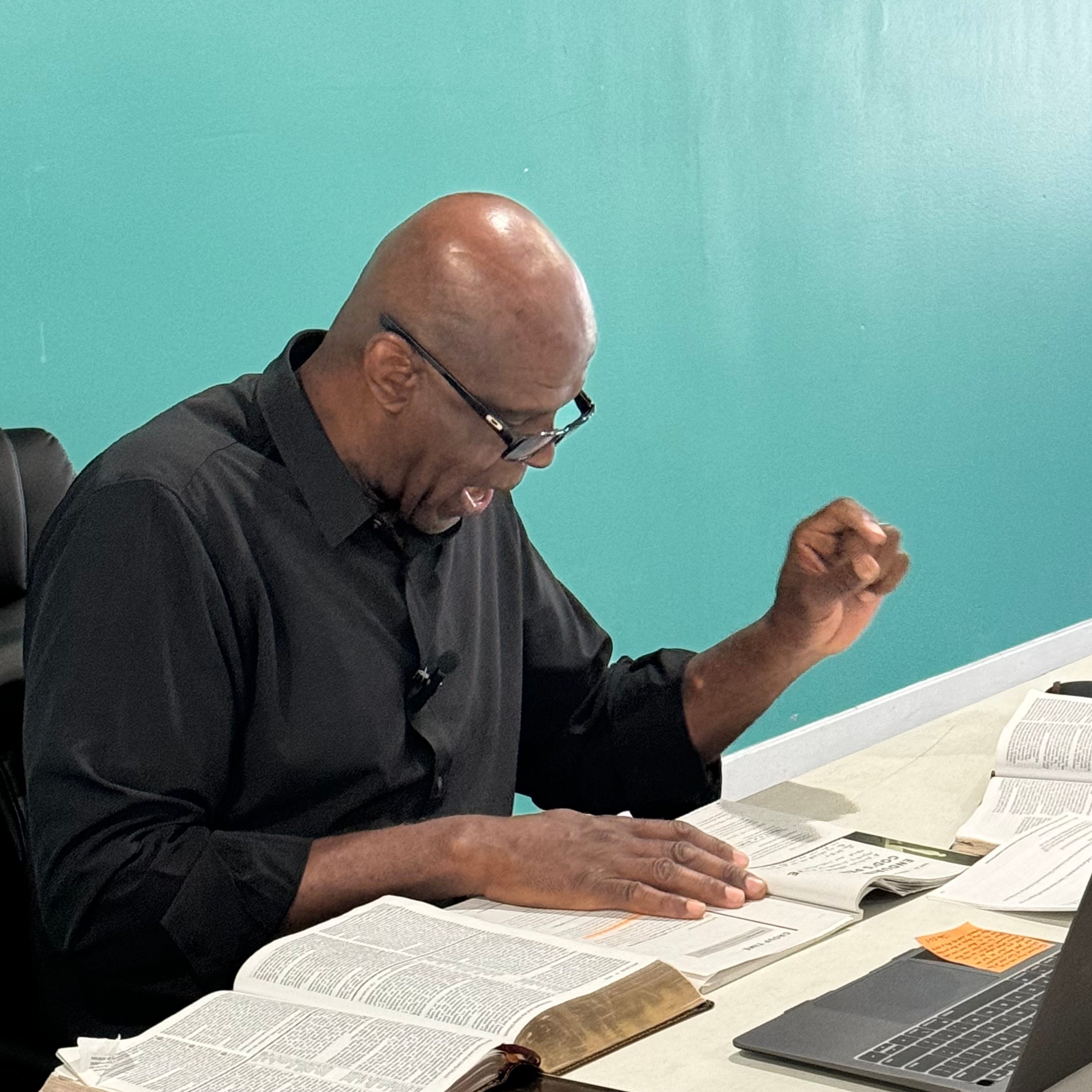
In this episode, veteran educator and principal, Cifford Higgins, shares his unique 3 E's mentorship model - Evaluate, Educate, Elevate. Hear inspiring stories from his work with teens, the importance of respect and life skills, and how he's addressing mental health challenges in today's youth.
0:00 Coming up on this episode of the healthy, wealthy, and wise podcast. My mint green model is, um, it's, it's, I refer to it as the three E's welcome to the healthy, wealthy, and wise podcast with Dr. William T. Choctaw, MD, JD, where the doctor helps you unlock your full potential by equipping you with the tools and knowledge in the areas of health, wealth, and wisdom anchored in his experience as a business executive, a physician in the surveyor for the joint commission. A former mayor and over 50 years of experience as a general surgeon. You've got questions, he's got answers. So let's get started. Here's Dr.
0:41 William t Choctaw, md jd. Well, one of the things that I've noticed, so I've always thought, and you can correct me on this, when I was growing up, most of the teachers were women. Very, very, I saw very, very few men teachers in my, in my school, uh, junior high, high school. And I went to one of those schools that went from first to the 12th grade, you know, it's the same building. You just, you went to one side and then you went around the hall and the other side was, was the high school. And, and my point is, and I, I grew up in Nashville, Tennessee. My school was like a hundred percent African American and, and I'm, I'm thinking about role models, you know, that, that we boys had, you know, You know, particularly those maybe who didn't have fathers in the home.
1:26 And that's why I think your work and the work that you're doing now is so good because that's exactly what's needed, particularly getting our young people to go to college or letting them know that they can go to college and, and, and get a degree. Because if you, in my opinion, if you don't get through that door, then everything else becomes impossible. 10 times more difficult for you regardless of who you are or how smart you are. Yes, yes, no, no, you're absolutely right. And I, I, and, and that's, I'm glad you mentioned that because my mentoring model, okay, is, um, it's, it's, I refer to it as the three E's, okay.
2:06 Evaluate, evaluate, educate, then elevate. And so, um, that's how I'm going to start, um, my mentoring programs and activities is. You know, evaluate our teams, you know, assess, find out what their needs are, find out where they are at this point in time. Not all of them, uh, have the same background. And so you want to get to know them. And so, you know, you want to be able to reach them. Okay. And the only way you can do that is to evaluate them, you know, Find out what are the things that are pushing their buttons. What are the things that, you know, that triggers them, you know, uh, what's going on with them currently at their, at their time. And so I came with that mentoring out of it starts with an evaluation and actually evaluation.
2:50 Then you can educate them. Yes, this is where I can utilize my skills, skills, some other mentors. Dr. Chaka, I'll maybe call on you to, you know, uh, I'd be happy to help. You just let, let me know. Absolutely. But, but after the evaluation is called you educate, okay. Now, and you educate them by demonstration, by modeling, you know, there are so many just. uh, skills, skill sets that a lot of our young people don't have today. Now, granted, partially it's because they're so involved in the technology and they're sitting there, perhaps right now, we speak maybe in their bedroom on their cell phone, you know, going through a lot of different social media apps.
3:35 But what about all those skills that are out there that you and I, you know, um, grew up on those, those lost skills. Those are lost skills that need to be our young people need to be trained. I get, I, uh, I, uh, I get teased a lot by my, my, my, my, uh, my daughters, you know, Because, you know, when they begin dating, you know, what's the ideal man for that particular person? And so I get ridiculed by my daughters and some of my, my relatives because I said, well, you know, that man that you dated, he should be able to know how to, Change a flat tire. So, so, so if you travel the world and, and, and, and you, and you brought a flat tire, would you be able to get out there and change a flat tire?
4:19 So, you're way out of school, huh? Well, I'm going to use that as kind of an example, but you know, you got triple A now, so if you just call triple A. And then they'll say, those cars, the tires repair themselves. Exactly, yeah. But, but still though, I think that just, you know, You know, that develops you as becoming a man, you know, our teenagers to understand. I won't be so much old school, but still I just want to be able to meet them where they are. Right. Right. And educate them. And then after you educate them, you elevate them. And then, you know, you promote them, you recognize their compliments, the achievements.
5:00 And then also this will come up with, like you said, I believe, like you said, you know, they should be elevated to be able to go to college and go into directly into the workforce. Okay. You talk about skills. Okay. You know, um, you don't necessarily have to have a four year degree from a primary university training school. You know, you can make a very good living out of going to like a trade school, and some of our young people, they are so skillful and a lot of things that they do, but you can direct them into, you know, hey, you know what, you're good with your mechanics, you go with your hands, you know, why don't you put that, you know, in technology, put that used to maybe going to trade school, maybe a college and living in a dorm is not perhaps for you, that's okay, but still, you know, direct them to somewhere else where now they can elevate, they know you're going to elevate their lives.
5:51 And so that's the my mentoring model. Are you at the stage with your organization where members of the public are helping you or is that down the road? Or if someone listening to you now, um, say in New York and say, you know, that sounds like a great idea. And they want to help or they want to get more information. What would you say to them? Okay, so I am at the what we use the term the infancy stage of my nonprofit. Okay, I'm just days away from launching my website. All right. And once the website is live, then, you know, um, I can, uh, then begin, you know, like you said, send out the information, how they can reach me, how they can contact me through my website.
6:37 Um, and so that's where I am right now. So, uh, I have had those, I have a board of, um, you know, board of directors. And one thing I'm learning about, this is new for me as well. And, and starting a nonprofit organization. And so I'm looking to obviously secure sponsorships, grants. You know, donations, you know, for my mentoring activities. But, you know, I'm anxious about getting going. In fact, I have to have, you know, my structure in place, you know, my board, you know, they want to ensure everything's in place. And so they did give me permission to launch what I refer to as an unofficial.
7:20 Mentoring activity. So back in April, I took a group of teens to a HBCU night at the Clippers. There was HBCU night at the crypto. com. Okay. That was just a wonderful experience for those teenagers just to go out there. And, and I'm sure. That that planted a seed in some of those, you know, this is, you know, excellent. You know, I may consider now I'm going to an HBCU. Yes. Those are the types of things that I want to do is, you know, expose, you know, teenagers to, you know, You know, just life, you know, uh, take them on college tours locally and nationally.
8:01 And I, I'm even, uh, and I'm, I'm, I'm thinking big now, but I'm even perhaps maybe want to expand their horizon by taking them, um, internationally. You'd be surprised how much, uh, teenagers grow by Learning and discovering other parts of the world. Exactly. Exactly. That's, that's what I'm doing, but I'm at the infancy stage, but I tend to, once I retire now from my full time position education, I can, you know, now more time. Well, please, please keep us informed. Seriously, because I think, um, um, uh, everything you're saying, I completely agree with, um, and what's particularly unique and special, I think, is that, uh, you're an African American.
8:44 American male professional who's given back and, and even though it doesn't matter who the students are, though, the race doesn't matter, but, but you don't see that a lot is what I'm seeing. Um, and I, I went to an HBCU before going to Yale Medical and, and there's no question that it was beneficial to me. Different environment, different everything. Yes. But was clearly, I went to Tennessee State and Nashville and clearly I, I learned things from there, uh, that maybe I. I wouldn't have learned at Yale and vice versa. So, so that there's always a benefit there. Uh, but just the fact that you were actually doing something, you're not just talking about it, you were taking an affirmative step, as we say in the law to get stuff done, I think is extraordinary and you've already planned stuff out and we will do whatever we can here at healthy, wealth and wise podcasts.
9:35 Group, uh, to help you. Uh, you can come back at different stages if you like, you know, once you launch your website or whatever. And we can do a podcast on that particular stage. But please see us as oh, wonderful as your e your eternal partners as part of the brotherhood, uh, to help you do what your Oh, wonderful. Absolutely. Absolutely. And we will make that public commitment to you right now. All right. I didn't know this was going to happen because I didn't know what you would do. But I think, I think the opportunities are so rare, you know, that, that, that when we see something positive and we see someone doing something good, that we should all help.
10:17 You know, because we all need that, you know, it really does take a village. I think Hilary said that or somebody said that. It really does take a village to get things done. And, um, uh, what I've learned that, uh, when I was growing up and I wasn't sure about this and that, but there's nothing wrong. People would help me, you know, people, I didn't know it would help me, you know, different colors, different races on and on and on. And so I said, okay, that that's how I want to be able to give it back. And so when I hear leaders like yourself, lay it out your vision that you're already implementing, uh, we, we were clearly line up, uh, behind that. Wonderful. Wonderful. And I, I appreciate that too, because, uh, you know, I love, uh, the fact The podcast and the work that you and Jesse doing with regards to healthy, wealthy and wise.
11:07 And one of the things that I noticed even in our classes, you bring in that component of mental health. Yes. And that is so critical right now. Yes. And, and as a principal of a school, you know, since post pandemic, what was so critical is addressing the social emotional needs of young people. Yes. So I appreciate, you know, your platform and how, you know, you bring attention to that because there are not adults, but there are teenagers that are struggling with mental health issues. Absolutely. Uh, social, emotional issues. And so, uh, yeah, I've definitely will reach out because, you know, I have mentoring activities.
11:50 There may be a, um, let's say a Saturday where I'm just going to address social, emotional needs or mental health needs. Yes. Professionals like yourself. And other men, you know, on this podcast that can, you know, speak to our young people right now. So thank you so much. I feel the partnership. I feel, you know, uh, you know, um, joining in with me and our cause to, you know, impact, having students impact our communities. Yes. And that, that's how, you know, God is in charge because none of this was planned, you know, but I think that that's the way things develop. And it's certainly, you know, Things I've learned just with our podcast and Jess and I talk about this all the time that we have no idea where things are going, but, but it takes a life of itself and people just step in and help you along the way, you know, sometimes you know them, sometimes you don't know them, but, but, but there's a momentum that keeps you going.
12:44 But I I'm impressed because you've already taught me something that I didn't know. Um, I didn't know about your 501c3 and, and I didn't know what, what your plans were. And it's certainly something we can get behind. Thank you so much. I appreciate it. Yes. Thank you. Absolutely. No, you're very welcome. You're very welcome. So if, if you were to, to advise let's say a group of young people. Teenagers. Um, and they say, you know, um, um, um, um, Brother Higgins, what can we do to make sure that we're, uh, we live a healthy life or a happy life?
13:26 What have you found, uh, what are the elements have you found that have kept you happy and satisfied and positive because the other thing, you're a very positive person in that that comes across as a teacher. And I think that's, that's extremely important because many times it's what you communicate non verbally as well as what you communicate verbally. So how would you advise young people who are just starting out, say, say middle or late teens and they want to make sure they're on the right path? Yes. So thank you so much. That's a very, very good question. And so I believe that, you know, um, young people today.
14:07 Uh, this is a, a, a term, uh, a term that I don't see too much, uh, going on in our schools is, and that's, that, that word respect. Yes. And, um, yes. I, I, I, at a early age learned to respect, uh, those in position of authority. Yes. Uh, it started in the home. You had, you had to respect, you know, your parents. Okay. And so I, I appreciate the fact that I grew up. In a home where my parents and still those principles and values and you and so definitely respect. You may always agree with, you know, perhaps maybe someone that's older, but what they've done.
14:53 Gone through and what they, what they did. Okay. Um, and so it starts with the, with respecting them. Okay. And then also, uh, it starts with listening as well, you know, to, to, to the, to the direction and advice. Okay. Yes. Uh, of, of, you know, those who I use the word been around a block. Okay. You know, uh, you'd be surprised lessons that, that you can learn from someone that, you know, who is, um, I use the word more mature than you, more seasoned than you. And so, uh, it starts there, you know, have, have, have respect for, uh, yourself or for, uh, life in general.
15:37 Um, and then I use that terms again about being a lifelong learner. Okay. Discipline yourself to learn. Okay. And, and, and I, I, I, I, if you put those, I think Those two together. Okay. Then, you know, uh, doors will open up for you. Okay. Um, you look at, you know, again, I, I, my, all of my adult life has been in, in, in the field of education and what's happening in our classrooms today is that, um, students, they don't respect the teachers anymore and, and, and, and, and I'm not to say that all teachers are, you know, You know, one of the things that I pride myself on is, um, treating people respectfully and professionally.
16:26 Yes. And there's times I had to address as a principal, um, perhaps a teacher, and perhaps maybe how, how could you have Handle this differently. Yes, this should never be in a situation where, because when you're a teacher in a classroom, you're the adult authority figure in that class, and you should be able to deescalate any situation in that classroom. But students, they, they, they come to school with a mindset. Well, you know, he didn't respect me. I'm not gonna respect him. Okay. So I, as a leader of a school, I, I address my staff by saying to ensure that you have respect for those students that are walking through your door every day.
17:14 Yes, they'll respect you when, when, and, and, and at. And at that point, now they're ready to learn. They're ready to receive instructions that they know that you care about them. They know that you respect them. And so that's how I, I, I believe I, I was successful as an administrator because. I respected those who were above me and also those who, you know, were under me and I think important. I think to this day that works. And then what I've learned is that you have to go first. You know, you can't say, well, I'm going to do so. And so once he wants, he respects me and whatever leaders go first. We just go first and say, if I want you to respect me, I've got to respect you first.
17:55 Because if, if, if that's the direction things are going, I, I agree with you completely because if many times, if you don't respect others, many times they don't respect themselves. And if they don't respect themselves, then they take unnecessary risks that then proves them right in a negative way, you know, somebody told them, you will never amount to anything or you will blah, blah, blah, blah, blah. And they have that message in their head. And that's why I tell parents, be careful what you say to your children. Discipline them. Nothing wrong with that, but never attack their character. Never tell them they're bad people because there are many times we grew up believing that, well, you know, my mommy told me I was a bad person.
18:39 So blah, blah, blah type thing. Uh, but no, I, I completely agree with you. Yeah. And you brought up something too, that I would, I often say, whenever I Uh, as a classroom teacher and also, but I was a disciplinary in my most of my, uh, years in education was, uh, uh, serving as an assistant principal in charge of discipline. So you can imagine the many, uh, parent conferences I've had with, you know, parent and student there, but I will always use the phrase that, you know what, ma'am? Um, your son is not a bad person. He just made a bad decision. There you go. He made a bad choice.
19:19 You know, and so I want to instill that into that child that you're not a bad individual. Okay. Yes. Yeah. What you did was you made a bad decision that now causing you perhaps maybe to be, you know, receive some type of a consequence, but you're not a bad person. And, and, and, and, and that has to be, like you said, you don't tell someone, Oh, you'll never amount to anything. You're, you're a bad person. But, and, and so that's what I tried to, you know, ensure that I demonstrated that as a leader and also those who, you know, I, I led in, in, in education. We want to thank you, uh, for spending some of your very valuable time, uh, on a Saturday morning to come and talk to us.
20:03 Uh, you clearly, uh, educated me about some things that I had, I didn't have a clue about. Um, and again, I see an opportunity where, where, where we can definitely work with you in whatever, um, um, process you, you would like, uh, to assist you in doing the good work or something. Good work that, that you are doing. Um, and so please feel free at any time you want to come back, uh, just let us know and, and that that door is always open to you. Thank you for listening to this episode of the Healthy, wealthy, and Wise podcast with Dr. William t Choctaw, md, jd. Be sure to check out other great episodes covering areas of health, wealth, and wisdom@twwp.com.
20:49 And while you're there, be sure to check out. Books, blogs, and other literature in your preferred format. And don't forget to leave a review, subscribe, share, and support the podcast. That's at t wwp.com. You've been listening to the Healthy, wealthy, and Wise Podcast with Dr. William t CHOC talk, MD D.
