The Power of Lifestyle Change: Sergio's Weight Loss & Wellness Transformation
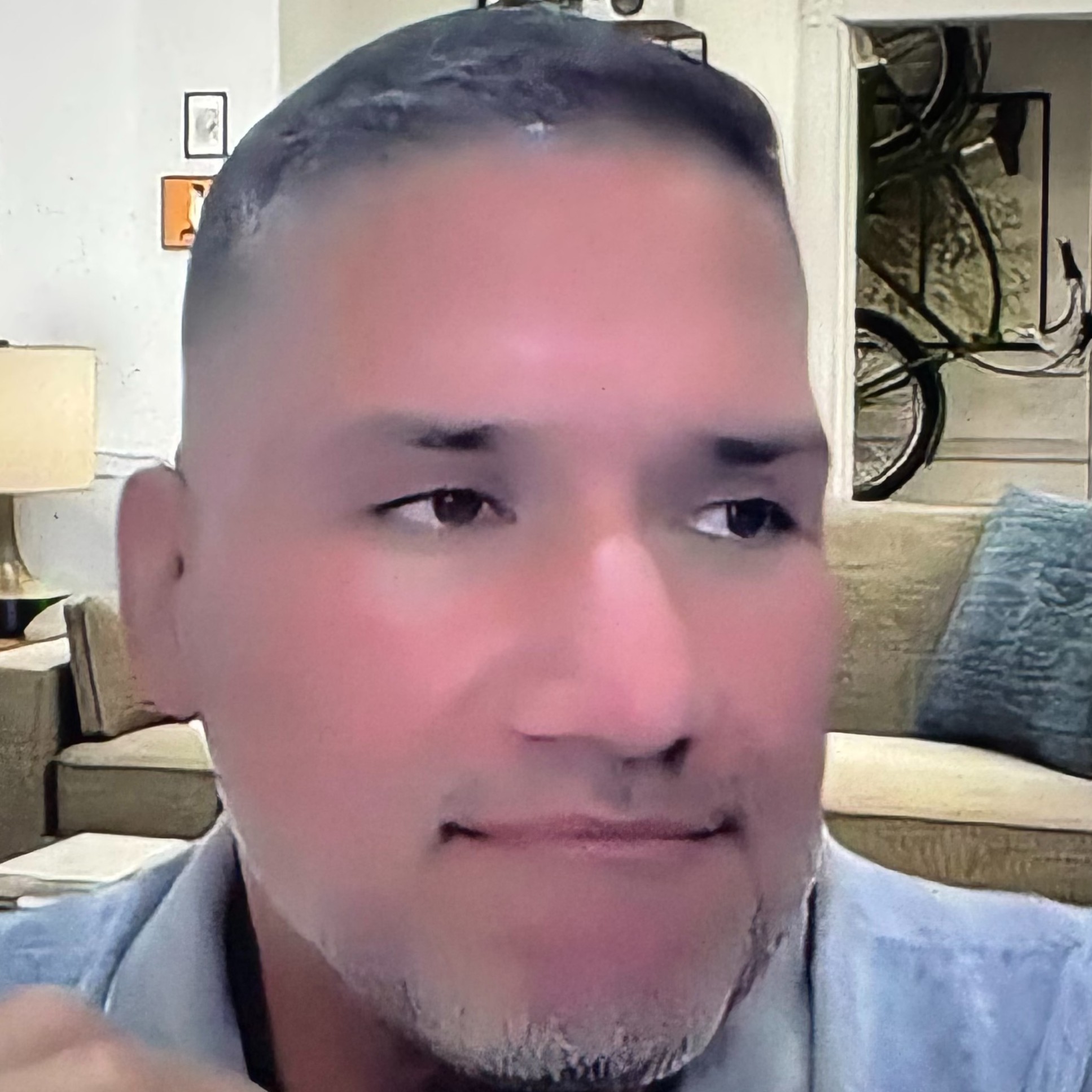
Sergio shares his transformative journey of weight loss and improved health through lifestyle changes and medical intervention, emphasizing the importance of taking action and prioritizing well-being.
0:00 Coming up on this episode of the Healthy, Wealthy and Wise podcast. Well, keep in mind though, that obese may not be obese for someone with a certain ethnic group because that they, the, the BMI is based on white Anglo Saxon Protestants. It did not include initially. No, yes, yes, yes. And that's why a number of the major universes, they will use the BMI, but, but not look at it as gospel. Welcome to the Healthy, Wealthy, and Wise podcast with Dr. William T. Choctaw, MD, JD. This podcast will inform, educate, and motivate you to live a more healthy, wealthy, and wise life.
0:43 It's powered by the over 50 years of medical experience of this Yale University Medical School trained surgeon, who also receives. This Juris Doctorate from Western State Law School. He has executive experience as a former mayor of Walnut, California. As a chairman of the Nonprofit Servants Arms, and as president of Choctaw Medical Group Incorporated, you've got questions or concerns. He's got answers for both. So let's listen in on an interview already in progress. Um, so that actually, uh, that's a piece that I do miss of not being in the office, you know, having those, going out, being able to walk and then still have your meeting or, um, so that was the kind of nice, you know, there's a lot, every little bit helps, right?
1:31 Yeah, yeah, you know, uh, don't take the elevator, take the stairs or, uh, you know, every extra step you can put in, it's a little bit, but it's something. Yeah. And that's why even with the apple watches or the other watches that measure the steps per day and that sort of thing You know it it all sort of adds up because you can start and you can And it can alert you because if I am really busy, I can be a seated at my desk for nine hours And the only reason why i'd gotten up is to get go to the kitchen walk 10 15 steps to get more coffee, right? And I may not have even gone outside that day Right, right.
2:13 You know, and it's, if you get caught in this cycle of work, work, work, and you're tied to a desk, you don't have manual labor work, it's could be extremely detrimental to your health. Understood. Is there anything, just looking back over your last two years of experience, is there anything that you would have done differently? Any lessons learned? Oh, shouldn't have done that, or shouldn't have said that, or, or whatever. No, the only thing I think Do kick my a friend and I had the surgery at the same time and we're all each other that we could should have been better friends to each other Pushed ourselves to have the surgery earlier.
2:57 Okay, I've been talking about the surgery for at least five six years Okay, we're gonna do we're gonna do and we never did until we both finally hit our breaking points And then we said, all right, we're gonna do it and so I think um I If you, if you recognize, if you feel that there's a problem or if there's something in your life, that's making you feel a certain way about it, it's easy to say, I'll think about it tomorrow or, you know, Oh yeah, I know I got to get to that, but, and that, that pushing it back and easily become a month, six months, you start to spiral out of control and then you find yourself like, Myself, you know, it's 410 pounds, very poor health, much more desperate.
3:44 And the measures you have to take are far more drastic. You know, going back to the, the poor health, um, and the fact that you're approaching 50, I, I had mentioned in one of the other, uh, meetings I was in that I had, about a year ago, I had a patient to contact me who's 50 years old, um, who, uh, was having some slurred speech and whatever, but to make a long story short, he was having a stroke, uh, and the folks got him to the hospital and got him cared for, and I just read, just this week, I just read an article, article, um, in some of the medical literature that the percentage of strokes is increasing, um, uh, in the last, uh, ten years or five years compared to the previous five or ten years.
4:31 And my point is, That, that is not a steady state, that, that, going back to your point about don't put it off, that the, the bad stuff is, is constantly moving or gaining on us, you know, and, and so the, the sooner you can deal with it and take care of it, um, it's, it's, it's an added benefit that Who would think that people under 60 years old were having strokes? You think about people 60 years and older, but that's now changing. And the data is showing, and they don't really know why, but frequently, many of these patients, in addition to being obese, you know, have hypertension, have diabetes, all of which Can lead to heart problems, stroke problems, et cetera, et cetera.
5:15 Uh, so, so it's not a steady state, you know, the bad stuff is increasing. And so another reason to do what you've suggested, uh, not, not to wait or not to keep waiting. I know your body. Yeah. If your body is feeling different, it's probably going, you know, if you, if you normally don't feel a certain way, well, I mean, I found out I was diabetic. I was like, something is not right. I mean, the bathroom frequency was a bit. But like something does not feel right. Um, and I think especially this is true of people of color. We ignore these symptoms. To our detriment.
5:56 I have a very good, one of my best friends, he, he knew he was diabetic, but he stopped testing his, uh, blood sugar daily, you know, he's just stopped pricking his finger, but then he also didn't take his medication. And also he liked to drink beer a lot. Yeah. It really raises your raises your, uh, blood sugar. And so he had been operating at 300 plus for, you know, blood sugar for, you know, For like over, um, eight weeks, you know, and he ended up having to go to the hospital and they're like, Didn't you realize you're what you were doing yourself? Well, yeah, but I didn't think about it It's so easy to put like if you're stopped testing and you know, you're ignoring everything else.
6:41 That's right. That's right I think it's really, especially as you get older, know, when something feels different, it's not just getting older. It means something has changed. Ask. Take a moment and ask, like, why is this normal? Exactly. And you're so right. I, I see the patients all the time. The body will warn you, you know, it'll let you know when something is off. Um, what we tend to do is we tend to ignore it. We just say, no, it's it's blah, blah, blah, blah, blah, blah. Um, but you're right if we pay attention to it, uh, then many times we can, we can intervene earlier. Um, and, and one of the reasons, again, thinking about your friend, one of the reasons why high blood pressure is called the silent killer, you know, most people think, well, you know, if my blood pressure is high, I'll know it.
7:26 No, you won't. You will not know it. You won't feel pain. You know, you won't feel this and this necessarily. Uh, you may feel nothing, uh, until either you fall out or something bad happens and, or you go into a doctor's office and they say, my goodness, your blood pressure is 140 or one, one, 200 over something, you know, type thing, um, that, um, there are a lot of things out there that, that are sort of designed to get us. So what's next for you moving forward? Uh, I think I've been thinking about that a lot. I think I'd like to lose another 40 pounds as a, but it's not a healthy thing to say, but my buffer is like, I'm happy with my weight right now, the, my profile at Kaiser still says, uh, obese, so I'm technically obese.
8:23 But keep in mind though, that obese may not be obese for someone with a certain ethnic group, because that, the BMI is based on white Anglo Saxon Protestants. It did not include initially, you know, no, yes, yes, yes. And that's why a number of the major universes, they will use the BMI, but, but not look at it as gospel. Not, not look at it as gospel. Because again, again, it's like the whole idea of how you treat, um, um, uh, heart attacks. You know, if, if all the people that I evaluate, say 100, 000 people, but they all look a certain way, and then I'm looking at somebody else who doesn't look like them, uh, that, that initial evaluation may not be applicable.
9:12 So, so the recommendation now is that that particularly another other examples of how the BMI is not always accurate for athletes. Athletes have different ratios to muscle fat because they're athletes. They build up a lot of muscle. You look at the guys and the women in the Olympics, you know, many of them are all muscle. So, so their BMI would be a little off. The BMI in children obviously is, is different from those in adults, but they have their own scale. But my point is there is. Some healthcare disparity issues with the BMI use it, but don't use it as gospel basically. Absolutely. And that's good to know though, because it does weigh on you and I'm still obese.
9:59 But I do, I've been wondering, I've been wondering just that, um, you know, what's, what's next, definitely establishing, uh, Keeping myself healthy, maintaining the progress that I've achieved, you know, tracking it. I have full blood work every six months and, you know, keeping tabs with my doctor if something goes wrong. So I'm really trying to be and changing the lifestyle, right? Yes. I'm keeping myself active. I think that's Changing the lifestyle has been one of the key pieces, uh, in my plan.
10:40 And so far I've been able to, to do it, uh, do it well. Let's continue, uh, in, um, these next months on a good plan. Well, listen, thank you so much. Is there anything else you want to share with us before we, before we I've had a great. A great time and, uh, happy to share this time with you. And, uh, I really enjoyed the conversation. Thank you so much for having me. Well, thank you. I honestly believe that, uh, you've helped a lot of people today. Um, and now Jesse will work his magic, uh, in terms of the podcast.
11:24 Um, and, uh, probably the podcast will be out within a week. We'll, we'll let you know. We'll let you know. Um, uh, so that you can, so when, when, when you're walking, taking your walks, for listening to this episode of the healthy, wealthy, and wise podcast with Dr. William T. Choctaw, MD. We hope you now feel more equipped with tools and actionable information that will help you live a more healthy, which includes the mental, physical, and spiritual. Wealthy, which includes the financial, health, and spiritual.
12:07 And wise, which includes the practical, theoretical, and emotional life. For this one and past podcast episodes, blogs, books, and news you can use, go to www. thw. org. wwp.com. That's www.thwwp.com, and you've got it. In the meantime, remember, you too can be the change you want to see in the world. You've been listening to The Healthy, wealthy and Wise Podcast with Dr. William t Choctaw. MDJD.
