Unions: The Unsung Heroes of the Middle Class - Ignite Your Activism with Warren West
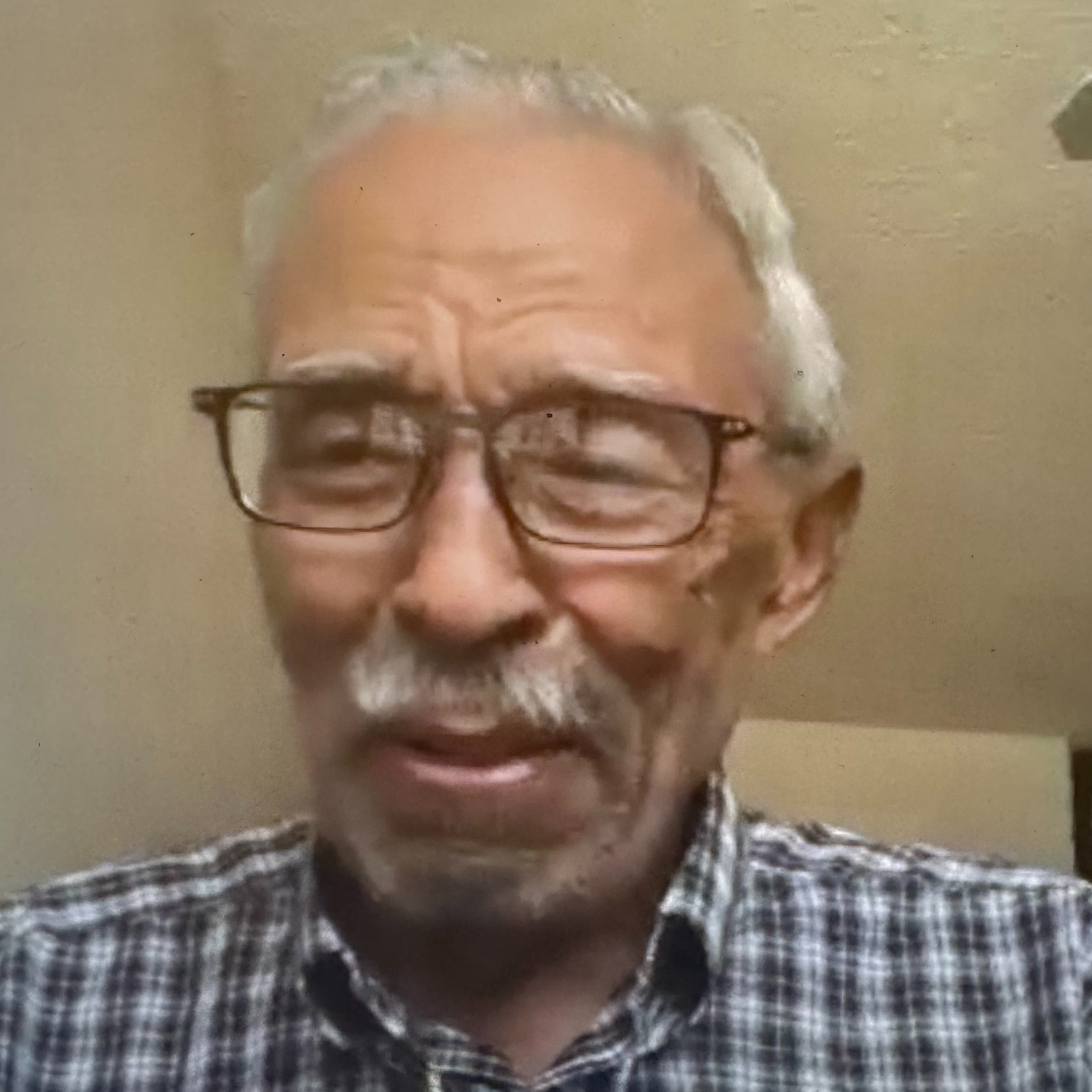
Warren West reveals the power of unions and how active participation can empower workers to fight for their rights and create a more just society. This episode inspires listeners to become informed and engaged in the fight for economic equality.
0:00 Coming up on this episode of the Healthy, Wealthy and Wise podcast. Let's say if you, if you were advising a young male, a young female, um, 19, 20, and they said, they come to you and they say, uh, brother, but we want to get involved in, in, in, um, um, civil rights or the civil rights movement or helping others, uh, for, to maintain their rights and freedoms. What would you advise them? Welcome to the Healthy, Wealthy. Healthy and Wise Podcast with Dr. William T. Choctaw, MD, JD. This podcast will inform, educate, and motivate you to live a more healthy, wealthy, and wise life.
0:41 It's powered by the over 50 years of medical experience of this Yale University Medical School trained surgeon who also received his Juris Doctorate from Western State Law School. He has executive experience as a former mayor of Walnut, California, as a chairman of the non profit Servants Armed, and And as president of Choctaw Medical Group Incorporated, you've got questions or concerns. He's got answers for both. So let's listen in on an interview already in progress. Well, most, most people don't understand unions in the first place. Okay? Okay. If you don't go to union meetings, you don't know what the union's doing.
1:22 That's true. And if you don't know what they're doing, they can do whatever they wanna do. Understood. So you gotta have input, you gotta And when I started, got, when I joined the union, got in the union, I, I found out that things were going on in the union that I didn't like. Okay. So, I got most of the majority of the people I worked with to go to meetings. And we set up a law that if you didn't go to the union meetings, you got fined. Okay. So, people started going to the union meetings and we kind of straightened our local up. Ah.
2:02 So you have to be involved. You have to participate. Right. Because we Makes sense. Those people in the union are just as They're bad people in there just like they're bad people every place else. Sure. Sure. Sure. They want to make They want to get their Under the table money too. So Sure. You got to straighten you got to straighten the unions out too. So understood and of course management Yeah, well if you I found out on my job that Our union members were in cahoots with management I was just gonna say management's goal or I shouldn't generalize some management's goal Is to either destroy the union or control them.
2:48 That's right, basically So that's why most people don't go to union meetings and they don't understand it. Yeah, you have to go to the meetings. And like I said, we made a thing for our local that if you didn't show up for meetings, you got fired. Okay, that makes sense. It works. I don't know if they still have it or not, but, sure, sure, because once I became manager, they kicked me out. But you bring up a point that I haven't really talked in about it that I can remember who's made it that way that the role of unions in this country and in particular, like I said, it's been a front and center at the, um, at the convention this week, um, is to help people.
3:35 The middle class and, and, and, and everybody, uh, and if you have a strong middle class, then you have a strong country. I, I've been to other countries where there was an upper class and a lower class, but no middle class. And usually in those situations, you know, you have the very rich and the very poor, you know, but you don't have anybody in the middle. Um, and that, that what I've learned, I think in my, uh, short life is that that middle is very important for everybody. That's everybody. It's, it's very important. Um, and, and as you mentioned to moderate things, to make sure that people don't do what they aren't supposed to do and sort of keep the balance, if you will, you know, to keep everything stable and working.
4:16 But I, I never, I never appreciated that action until, until just hearing you say that, but I think you're exactly right. You're exactly right. Um, what, what did you learn, uh, in, in union or being part of the unions in California? Like I said, they're only as strong as the people in them. And you have to make sure you got the strong leaders in the union. Like the union presidents and the union secretaries and all that. You have to make sure they are strong. Otherwise, the union is only As good as the people in it. Got it. That makes sense. That makes sense.
4:57 And, like I say, they can be much stronger. They can be much, much stronger if people would go to union meetings. Okay. And understand what's going on in the unions. Otherwise, they're not going to be as strong into you. actually get in it and use the union like it's supposed to be used. Got it. Got it. Let me circle back around to your experience early on, uh, with the NAACP in the San Gabriel Valley and trying to get local churches to at least allow you to meet. in their building. You know, I can remember growing up in the deep south, you know, much of the civil rights movement came from the churches, you know, or the churches led it basically, or individuals in the churches led it.
5:46 Um, do you think that that, that is, it's regional? Uh, cause you're from Ohio. Uh, do you think it's regional in terms of California is just different or, or, or what, what, what do you think accounts for that? Um, I think it's because I don't, like I said, I don't understand that part of it. Okay. Being from Ohio, my grandfather's, where I went to church, my grandfather was involved in it. He was a member of the NAACP. Yes. My father was, we were friends. You know, fighters.
6:26 Yes. Things upset us down south. Yes. I mean, when Emmett Till was killed. Yes, I remember that. I was a teenager. Uh huh. Um, I wanted to go down south. Yes. Your mom and dad said no, you're not going down south. I was a little bit too young to go down there. I was 16, 17. That was, my grandparents and things were all these fighters against. Yes, yes.
7:06 You know, those things were just brought up in me. Well, you know, when I was in high school, I remember the freedom fighters from places like Ohio and New York and Chicago who would come down in the summertime and, and help to register Folks and I'm from Nashville, Tennessee, helped to register folks to vote and that sort of thing. But, but they, they were participants like, like yourself and they were, they were committed like yourself to, to doing that. Um, um, interesting, interesting. Um, So, what, what, what, what, what would you recommend? Let's, let's say if you, if you were advising a young male, a young female, um, 19, 20, and they sit, they come to you and they say, uh, brother Buzz, we, we want to get involved in, in, in, um, um, civil rights or the civil rights movement or helping others, uh, for, to maintain their rights and freedoms, what, what would you advise them?
8:08 I would advise them to join the education that they need to know, because you'll find out by joining the education that you, the background of the NAACP, of what we went through, what the struggle was, and what it still is. Who's fighting for you, you know? Yes. And what's, what's right and what's wrong? I mean, it's, it's, it's deeper than people think it is. Absolutely. Absolutely. I remember in, in my school in Nashville, the teachers, I, I grew up in foster care, uh, but in school, the teachers were all committed.
8:53 I would call them civil rights fighters, if that, you know, that makes sense. They, they, they were not only our teachers, but they were our extra parents. And, and they took on that responsibility of saying, no, no, no, you have to succeed because we need you, blah, blah, blah, blah, blah, blah, blah, blah, blah. And a lot of us grew up like, like yourself in the sixties and early seventies. And so we grew up with that, you know, even as we went through high school, college and beyond. Uh, and that was the duty. It wasn't something arbitrary. It was, it was, it was understood that, that you would participate and, and make your contribution, uh, to that.
9:34 I grew up in the fifties and I remember those bad days, you know. Yes. Yes. Yes. And, you know, I was, I was a good athlete. Okay. Even though I had a bad arm, I was injured at birth. Okay. I couldn't use it. I didn't use my arm until I was six years old. Okay. I was a good athlete. I played football, basketball, baseball, rack, uh, and then trying to get to go to college. Yes. I was a top athlete. I got to see, I don't know if you remember, uh, the Ohio State coach, um, uh, bud, um, uh, Hayes was his name.
10:24 Hayes? Yeah. Yeah. I I, I remember him. Yeah, I, I talked to him. personally. Really? Okay. He wanted me to play, but the college would not let me play because of my arm. Okay. And that's what they said, but I still think it was prejudiced. Understood. And that was just an excuse. Right. And like I said, I come from a family of good athletes. I had an uncle who used to go to Cleveland and try out for the Cleveland Indians every year, even before Jackie Roberts. Yes. Because he was in that black baseball.
11:07 Right. The Negro League. Yes. Yes. He used to go up there every year. They would let him come and try out, but they wouldn't accept him. They wouldn't accept him. Got it. They liked him. Oh, you know, they, oh, I wish we could use you, you know, but they would never let them play. Got it. I remember the, you know, the Black Negro League, um. Because sometimes my uncles would let me play. Be a bad boy for them. Those guys could play some baseball. I mean, they could play some real serious baseball.
11:47 And from what I understand, the professional leagues now are starting to recognize, I think, some of the stats and that sort of thing from the Negro League, because they were just outstanding. You know, it's interesting because you grew up in the 50s and I grew up in the 60s, And when folks talk about going back, we're saying, no, we don't want to go back to the 50s and 60s. We remember what that was like, you know, and we don't want to go back there, nor do we want our children and our grandchildren to go back to that, because it was horrible. It was horrible, you know. Um, that it, that the, it takes a while for things to change, but they do change, you know, the arc of the universe bends toward justice and it does get there, but it takes a while.
12:34 I remember being, uh, playing a football game and I, hurt the quarterback. Uh huh. Not, you know, I didn't do it on purpose. Right, but you hit him. Okay. My team, which I appreciate today, they had to surround me to get back on the bus. Is that right? Because your quarterback was white. They were all white. Where I'm from, in the league I played in, majority white. Of course. The small town I'm from, it was only about 25 feet.
13:18 Black families. Yes. And like I said, so in the area I'm from is predominantly white. Yes. for listening to the Healthy, Wealthy, and Wise podcast with Dr. William T. Choctaw, MD, JD. You can listen again to this and any of the previous episodes. Leave a comment or pose questions to the doctor by going to www. thwwp. com. That's www. thwwp. com. T H W W P dot com, and you've got it. It's also available wherever you get your podcasts. Be sure to follow, like, share, and subscribe if you haven't already.
14:00 Then tune in for the next episode of the Healthy, Wealthy, and Wise podcast with Dr. William T. Choctaw, MD, JD, a production of Changemakers Communications, LLC.
